0
- Ski Chalets
- Villas
- Destinations
- Collections
 Search


One of Austria’s most famous ski resorts, St. Anton combines serious skiing with some of the best-known après-ski.
St. Anton has a particularly strong reputation among intermediate and advanced skiers, thanks to its varied pistes, challenging terrain and exceptional off-piste. It is part of Ski Arlberg, Austria’s largest interconnected ski area, with more than 300km of pistes and plenty more off-piste too.
At the same time, the resort has some quieter areas for beginners and a nice history behind it too, with many considering the very first ski school to have been founded here. The village itself also has plenty to offer non-skiers too.
In this guide, we look at skiing in St. Anton, the different areas in which to stay, when to visit, and what to do away from the slopes.
Browse our collection of luxury ski chalets in St. Anton or speak to our ski specialists (+44 203 432 7784) about the best areas and properties for your group.
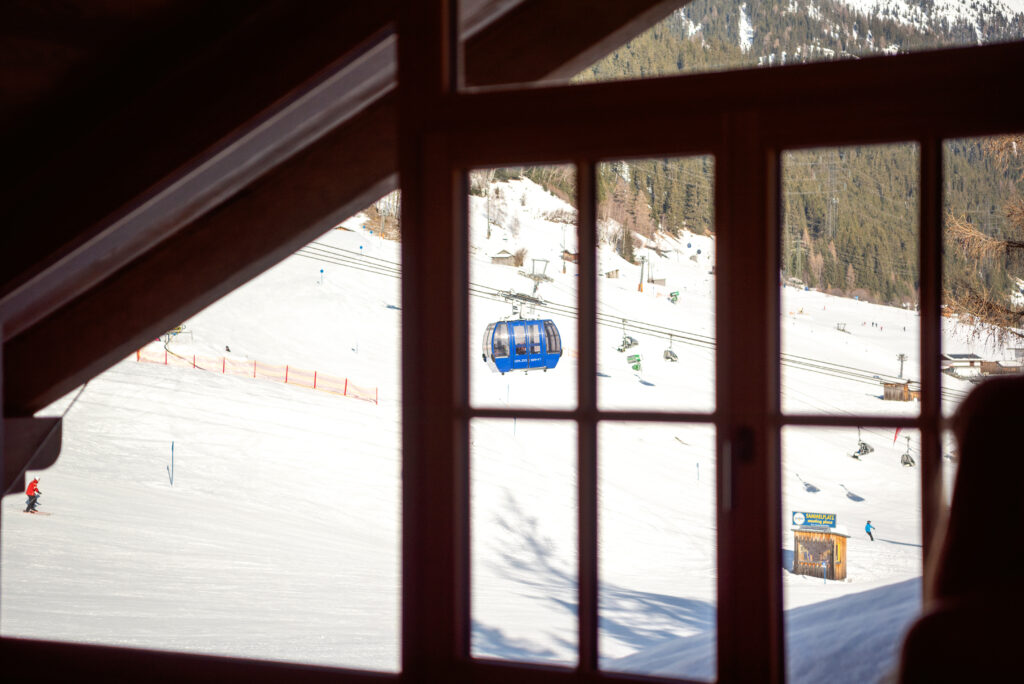
St. Anton sits at around 1,304m in the Tyrol. It forms part of Ski Arlberg, which links St. Anton with St. Christoph and Lech.
The skiing is varied, but St. Anton has always been particularly popular with confident skiers. Around Galzig, Gampen and Kapall there’s a really nice mix of wide pistes, steeper sections and some excellent natural bowls too, while the Valluga and Schindler areas are famous among hardcore freeriders.
Although it has a reputation for big skiing and big partying, there is also considerably more to the resort than its reputation for challenging skiing. Beginners are well catered for around Nasserein, which feels a bit more authentic, with quieter slopes and a nicer neighbourhood a bit further away from the main après-ski bit.
That being said, the atmosphere is one of the main differences between St. Anton and neighbouring Lech. Both resorts share the same ski area, but St. Anton is much livelier, more informal and considerably more focused on après-ski (heavy on the drinking and the music).
If your group wants to ski hard during the day and then head home on the final run via a string of busy bars and into a bustling snow front and town, St. Anton is one of the best choices out there.
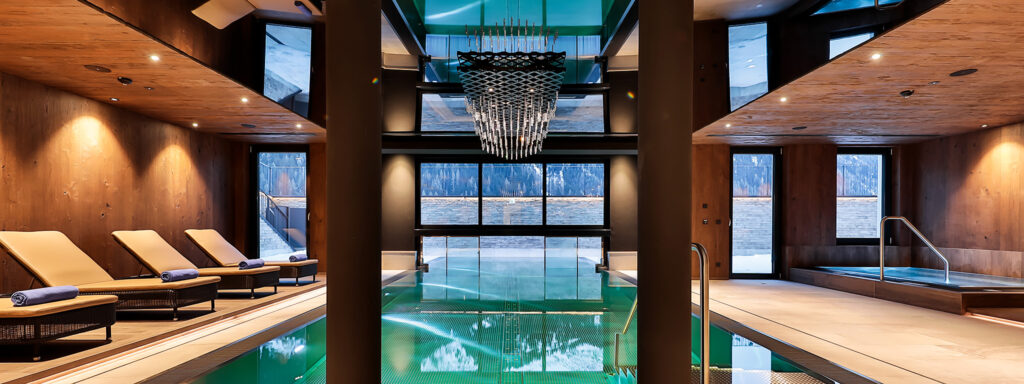
Austria’s rules around larger private chalet rentals mean there are more sizeable 15+ person properties here than you might find in some of the French resorts that have occupancy caps. St. Anton has a particularly good selection of extra-large luxury chalets, which, along with being only an hour from Innsbruck Airport, is why it’s such a useful resort for bigger groups and corporate ski trips.
For larger groups, Chalet Lena sleeps up to 23 guests and has an indoor/outdoor swimming pool, jacuzzi, sauna and steam room. Chalet Eden Rock is another sizable option, made up of Apartment Kanzi, Zari and Ariane, meaning up to 20 guests can have exclusive use of the building and amenities, but each with their own apartment and their own space too.
For groups who want to be right in the centre of the action, Apartment 53 is particularly well placed. Its central location makes it easy to get skiing, the village centre and out to the bars without relying on a driver.
There are also properties that suit groups who prioritise skiing above everything else. Chalet Tschoder, for example, sleeps 14 and has ski-in/ski-out access right onto the nursery slopes, as well as a sauna, gym and outdoor hot tub (rare for Austria due to filtration system regulations).
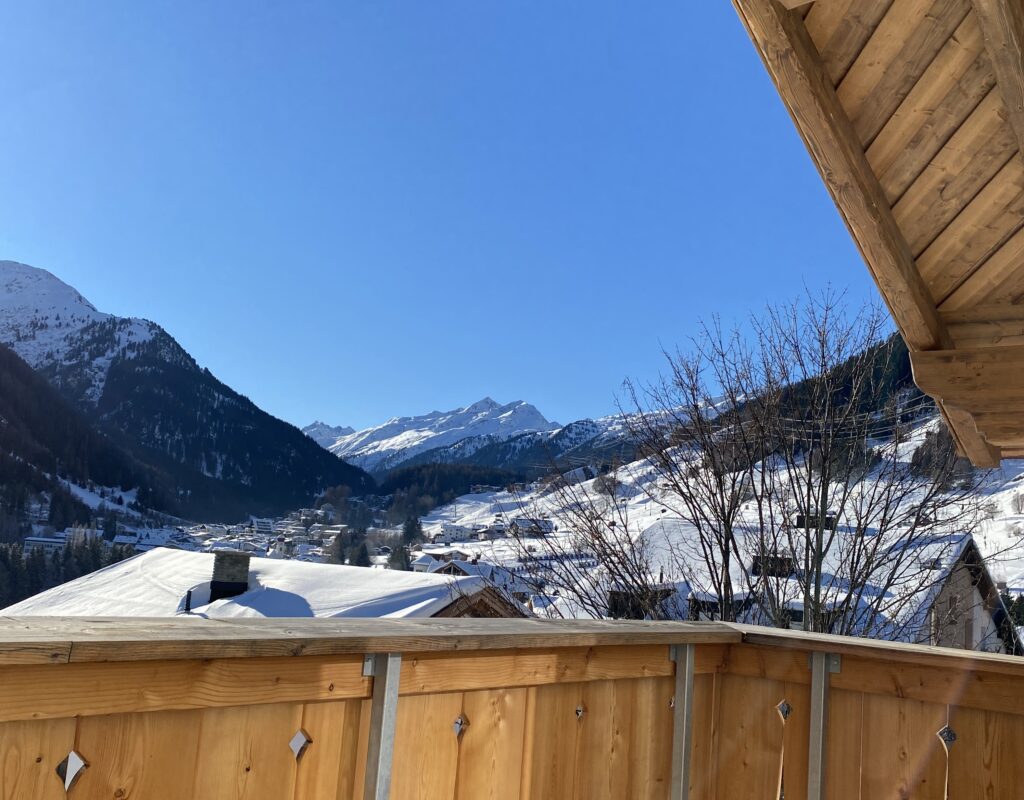
Ultimately, there is no single ‘best’ location in St. Anton. Around Moos is the choice for effortless access to skiing and après-ski, while the main village works better for those who want restaurants and later bars within walking distance.
If you are unsure how the different areas compare, our ski specialists can talk you through the locations and explain the practical differences between individual properties. Or the breakdown below might further assist…
The centre of St. Anton is the natural choice for groups who want to be close to restaurants, bars and nightlife.The main village is compact enough that most central properties are within walking distance of restaurants, bars and the main lifts.
The main Galzigbahn, Gampenbahn and Rendlbahn lifts are all within easy reach of the village, and the pedestrianised centre is where most of the evening action takes place. This is particularly useful for mixed groups. Strong skiers can head straight for the main Galzig or Gampen in the morning, while non-skiers have shops, cafés and restaurants close by. Then, everyone can regroup in the village before dinner.
Nasserein has a quieter, more residential feel than the centre. It’s the neighbourhood you first come to when driving into St. Anton from Innsbruck. The Nassereinbahn gives direct access to the main ski area, while the surrounding slopes are particularly useful for beginners and families. It is also home to the main nursery areas, making it a practical base for children learning to ski.
The trade-off is that you are further from the main après-ski scene. For families who are unlikely to spend every afternoon in MooserWirt, this can actually be an advantage.
Because it sits slightly uphill from the main town centre, this specific slope-side stretch along the Unterer Mooserweg is also frequently referred to by skiers as the Mooser Kreuz area or simply the Moos neighbourhood.
It is the epicentre of St. Anton’s legendary slopeside après-ski scene, housing neighbouring hotspots like Krazy Kanguruh and MooserWirt, a very short walk or ski away. Hence, it’s particularly well suited to keen skiers who want easy access to the slopes, with the added benefit of being near the afternoon après-ski scene.
Staying up here is worth considering carefully, however, as you’ll likely need to drive, use the bus or take taxis to reach the village centre, particularly in the evenings.
St. Anton is particularly well suited to groups of mixed abilities. Strong skiers have access to some of the best lift-served off-piste around, and intermediates have an enormous amount of varied slopes, while there’s a nice area around Nasserein, especially for beginners.
For non-skiers, there are enough restaurants, shops, spas and winter activities to make the resort worthwhile, although the main attraction is certainly the mountain (or drinking on it).
It’s one of our favourite choices for groups where skiing and après-ski are equally important. There are few resorts where you can finish a serious day on the mountain and be in the middle of a lively après-ski scene within minutes, but St. Anton is certainly one of those!
St. Anton is particularly good for corporate groups. The combination of large chalets, proximity to Innsbruck Airport, extensive skiing and a lively party scene makes it well suited to groups where everyone wants something slightly different from the trip.
Families wanting a quieter time can certainly enjoy St. Anton still, particularly if you choose accommodation around Nasserein or a chalet further out. If you are looking for a quieter, more village atmosphere, then neighbouring Lech may be preferable.
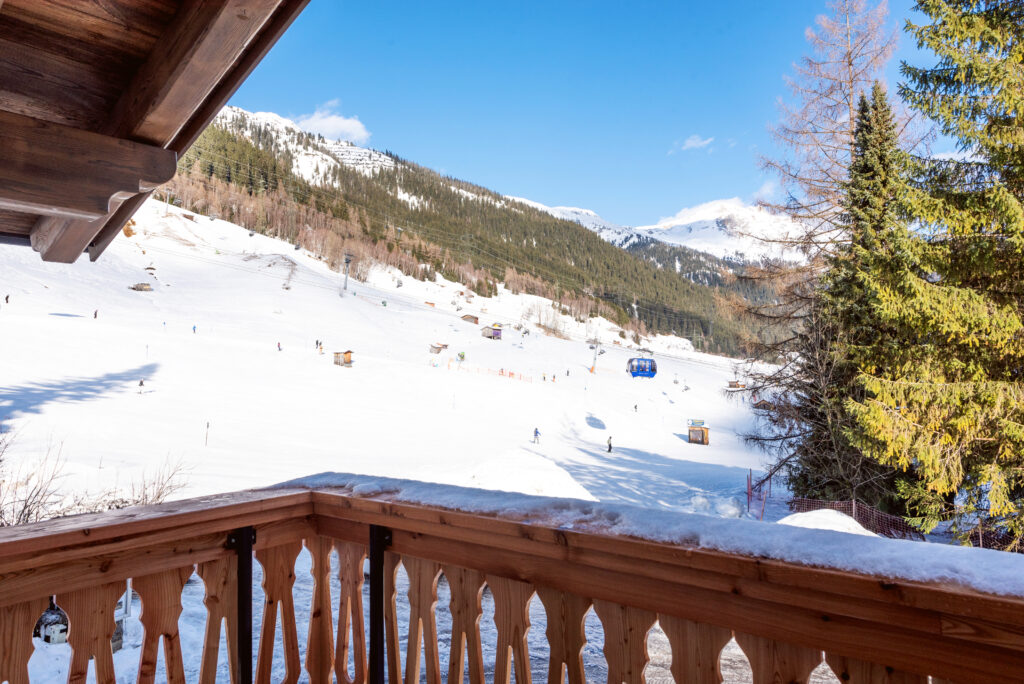
St. Anton has a good length ski season, generally running from early December into April. It has a particularly strong snow record, with the area receiving good snowfall throughout winter.
St. Anton has a particularly interesting booking pattern thanks to its selection of very big luxury chalets, many of which are ideally suited to corporate groups. The result is that demand during traditionally off-peak periods can be surprisingly high, with January and March proving especially popular, particularly for shorter stays suitable for corporate breaks.
January is an excellent choice for keen skiers and corporate groups. While the period immediately around New Year remains very popular, demand can be strong throughout the rest of the month. It can be an attractive option for groups looking to enjoy excellent skiing outside the main holiday peaks.
February is still a key period, especially due to school half-term holidays. Reliable snow cover, longer days and the appeal of St. Anton’s lively atmosphere make it a favourite for families and groups of friends. Like all resorts across the Alps, the best chalets still tend to book up well in advance during these weeks.
March is exceptionally popular in St. Anton, especially for corporate groups and shorter stays. Longer days, more pleasant temperatures and good snow conditions at altitude make it an appealing time to combine skiing with long lunches, après-ski and time together off the slopes.
It generally has decent skiing into the end of the season, so St. Anton is an appealing pick later into Spring too. The atmosphere generally becomes more relaxed, with warmer afternoons and the opportunity to enjoy spring skiing, particularly for those who prefer to ski in the morning and spend the afternoon (partying) out on a terrace.
The table below shows the average snowfall each month to give you an idea of the strength of conditions across the season…
| Month | Average Snowfall | Snowfall Days |
|---|---|---|
| December | 140cm | 12.8 days |
| January | 172cm | 12.8 days |
| February | 136cm | 13.2 days |
| March | 132cm | 14.8 days |
| April | 96cm | 11.6 days |
Snow data from snow-forecast.com, averaged from research spanning more than a decade. The weather is different each year, but looking at historic averages, you can get a great idea of what to expect.
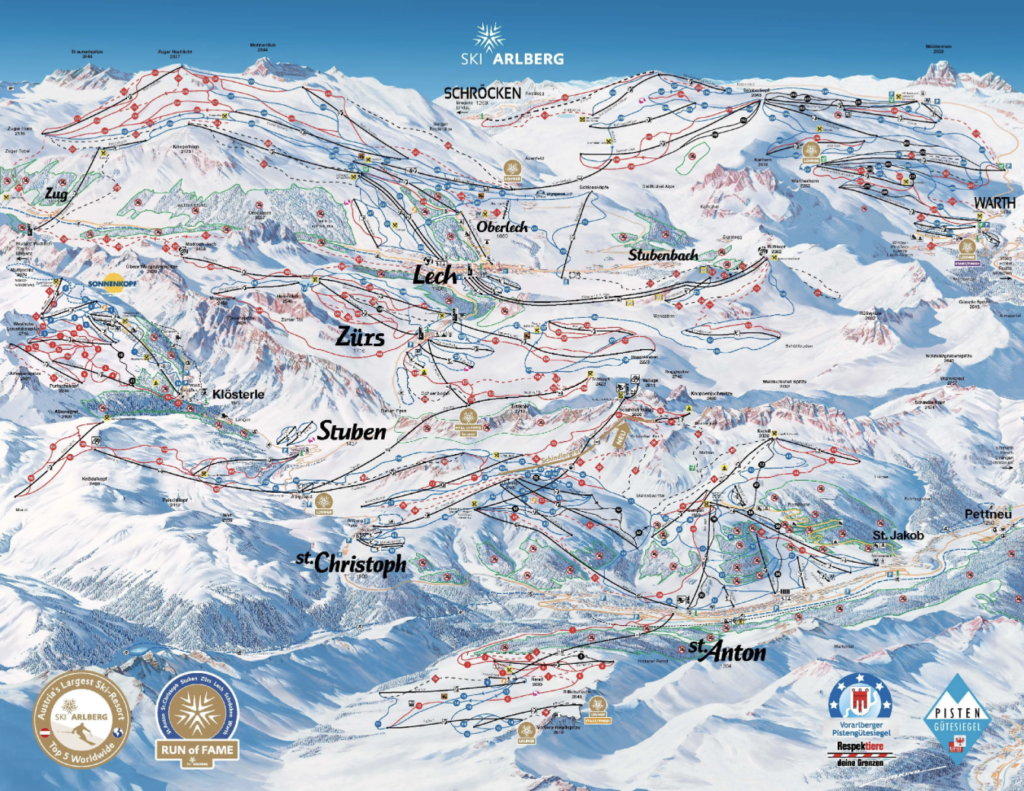
Ski Arlberg is Austria’s largest interconnected ski area, with around 301km of marked pistes, 85 lifts, and more than 200km of powder to be explored off the piste. It connects St. Anton with St. Christoph, Lech and Zürs.
The immediate St. Anton ski area is split broadly between the Galzig/Gampen and Rendl sectors…
The main snow front is where you’ll find the Galzig and Gampen lifts and is usually the main starting point for a ski day. Either which one takes you rapidly up from the village, with access to a large network of intermediate and advanced pistes.
The top of the Schindler Spitze (2,660m) and down the Schindlerkar is particularly good for stronger skiers wanting to try some of the Arlberg’s famous freeride terrain. Just past this is the Valluga , the highest point in the area at 2,811m and is one of St. Anton’s most famous landmarks. Access to the summit is restricted for skiers with a qualified guide, because the terrain from the top is pretty serious. Even without skiing from the summit, the views from the Valluga are exceptional, and you’re welcome to head up (without skis) to visit the viewpoint.
The Rendl lift and side of the ski area is on the other side of the valley from St. Anton’s main town. It is a separate sector from the main ski area and has a noticeably different feel. It is often much quieter and has better, less-tracked snow, particularly after a fresh fall. Rendl is also home to the Stanton Park, making it a good choice for freestyle skiers and snowboarders. These things make it a favourite among seasonnaires and locals. If you want to ski like them, then head over to Rendl.
St. Anton’s version of Lech’s ‘The White Ring’ is the ‘Run of Fame’. The circuit covers 85km and 18,000m of vertical descent, travelling from St. Anton through Stuben, Zürs, Lech and Warth before returning. Unlike ‘The White Ring ’, it is designed for advanced skiers and is a full-day challenge rather than something to attempt casually.
| Ski Lift Type | Count |
|---|---|
| Gondolas & Cable Cars | 17 |
| Chairlifts | 43 |
| Drag Lifts | 28 |
St. Anton is home to Hannes Schneider, one of the pioneers of modern Alpine ski instruction. So, the resort has a long history with several established ski schools in the resort, offering everything from children’s group lessons to private instruction to help nervous skiers and off-piste guiding for the advanced.
For experienced skiers, we would really recommend booking a private guide if you want to explore the off-piste. The terrain around Valluga, Schindler and the wider Arlberg is extensive, but conditions can change quickly, and the best routes are very dependent on snow, avalanche conditions and visibility.
During peak weeks, particularly Christmas, New Year and February half term, it is advisable to arrange ski school well in advance, often not long after securing your perfect chalet and flights.
St. Anton has several excellent ski schools, with New Generation Ski School among our recommendations, and we can arrange lessons to suit your group as part of our complimentary concierge service.
St. Anton has a good choice of specialist ski shops offering equipment hire, boot fitting and servicing. It is worth reserving equipment before arrival during peak weeks, particularly for larger groups.
There are several main shops by the Gampen & Galzig lifts where you can store your rental equipment in the shop to save you from having to journey with it.
Most rental shops allow equipment to be reserved online in advance. For families, this is particularly useful as children’s equipment can be prepared before arrival, reducing the amount of time spent in the shop on the arrival afternoon or first morning.
The Ski Arlberg lift pass gives access to the entire interconnected Ski Arlberg area and is the natural choice for most visitors staying in St. Anton for a week. This leaves you free to move between Lech, Zürs and the wider Arlberg according to snow conditions and the ability of your group.
The size of the Ski Arlberg means it is worth planning days according to both the weather and the ability of your group. On a powder day, staying around St. Anton may make more sense than spending hours travelling across the Arlberg.
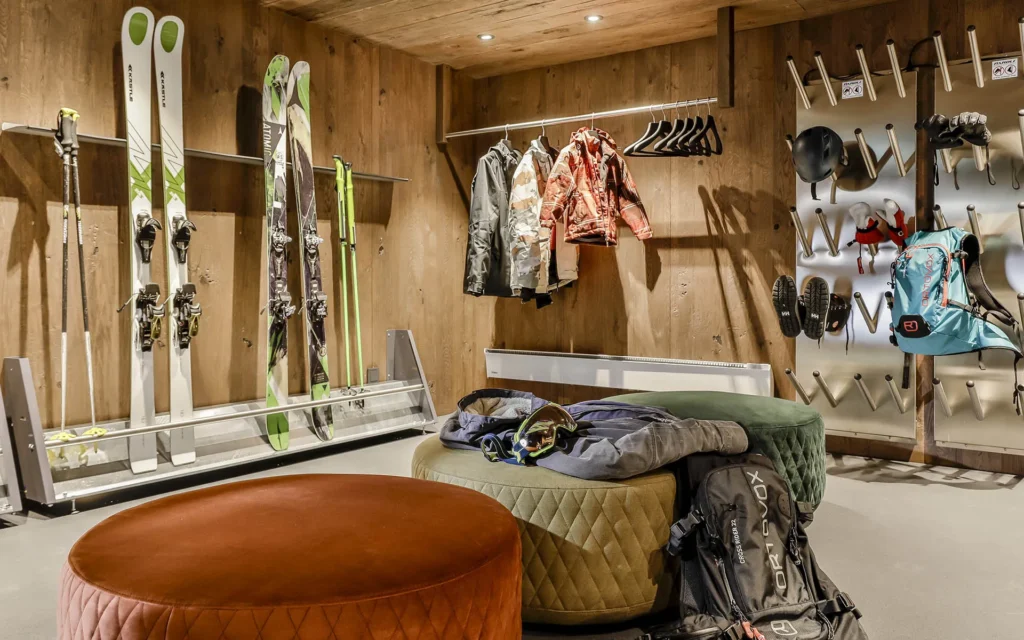
St. Anton has a surprisingly good offering for beginners, although it is not necessarily the first resort that comes to mind for learning to ski.
The best place to start is Nasserein, where the beginner slopes offer a gentle environment to practise turning, stopping and controlling speed before progressing to longer runs. The Kinderpark at Nasserein is particularly suitable for first-time skiers, with easy slopes designed to help beginners learn at a comfortable pace.
Once confidence improves, beginners can explore the wider nursery slopes and gentle blue runs around the resort. For those who have gained a little more confidence, the Gampen area is a good next step, with beginner-friendly runs such as Hopplweg and access to gentler blue pistes.
The Rendl area also has some easier slopes for practising turns, and generally, it’s much quieter and less intimidating too, although beginners should take care when returning to the village, as some routes down are more challenging. You can always download on the lifts!
Happy Valley (blue run 55) is particularly special first thing, when the piste is freshly groomed, quiet and beautifully smooth, making it a fantastic way to start the day. Although it is a blue run rather than a nursery slope, it is a great option for confident beginners who are comfortable linking turns and controlling their speed
This is where St. Anton really comes into its own. There’s s a huge amount of red and blue terrain across the Arlberg, but the skiing immediately around St. Anton is a bit more challenging than in Lech and Zürs. So, it’s great for strong intermediates.
The runs around Gampen and Galzig offer plenty of variety, with wide pistes for cruising alongside more interesting sections where the gradient changes. A bit further afield, the red Maiensee and Valfagehr runs towards St. Christoph and Stuben are good choices for confident intermediates who want longer runs to build stamina.
The Rendl area is also worth exploring, particularly for groups who have already covered the main mountain or maybe been to St. Anton before. It is quieter and feels slightly removed from the ski area, but has some fantastic runs.
Confident intermediates should also make time for the journey towards Lech and Zürs. The wider Ski Arlberg area is large enough that you can spend several days exploring without repeating many pistes.
St. Anton’s reputation is largely built on advanced skiing. The marked pistes themselves offer plenty of challenge, but the main attraction for experienced skiers is the freeride terrain.
The skiing around Stuben and St. Anton is particularly well known for more challenging runs and the best off-piste. Or, a favourite is directly under the St. Christophbahn chair leading out from St. Christoph. As long as you’re okay with people watching from the lifts!
The Valluga, Schindlerkar and Schindlergrat areas are particularly well known, while the terrain around Stuben and St Christoph offers some excellent routes depending on conditions. The Schindler Spitze area is a favourite for stronger skiers, while the steep terrain around Kapall provides another good option close to the resort.
For those who want a more structured challenge, the Run of Fame is one of the best ways to explore the entire Arlberg. At 85km and 18,000m of vertical descent, it is aimed at advanced skiers and is a nice, full day of good skiing.
Closer to Lech, the Langer Zug is one of the resort’s best-known challenges. The route drops from the Rüfikopf area and, in the upper gully section, reaches gradients of 80%, making it one of the steepest groomed ski routes in the world.
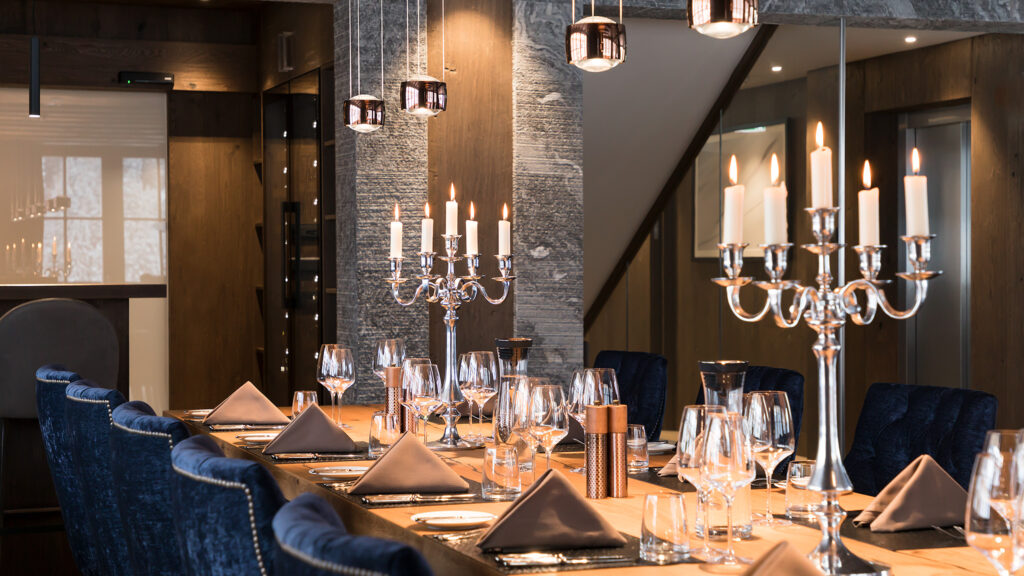
St. Anton is one of the resorts that really does deserve its reputation for après-ski. The atmosphere is energetic and informal, and the action starts well before you have even finished skiing.
For the classic St. Anton après-ski experience, MooserWirt is the obvious choice. Sitting above the village on the home run, it is one of the most famous après-ski venues in the Alps and is generally packed from the middle of the afternoon.
As you ski further down ‘Happy Valley’, Krazy Kanguruh is another St. Anton institution. Both are loud, busy and very much part of the experience rather than somewhere to go for a quiet drink. If you want something slightly easier to combine with the rest of the group, Basecamp sits at the bottom of the slopes opposite the Gampenbahn. It is particularly useful for mixed groups because non-skiers can easily join the party.
For a later evening, the action moves into the village. Murrmel Bar, Piccadilly and Bar Cuba are among the established names, with plenty of options if you want to continue after dinner.
If your group is not interested in the full après-ski experience, there are quieter options too. The key is simply choosing your location carefully. Staying centrally means you are close to everything, but a chalet away from the centre can provide a much calmer evening when you want it.
Especially on the mountain, St. Anton has a good mix of traditional Austrian restaurants, mountain huts and more ambitious fine dining.
For a special lunch, Verwallstube is one of the best-known choices. Sitting at around 2,085m right at the top of the Galzigbahn lift, it’s a great choice for skiers and non-skiers. Obviously, up here there are fantastic panoramic views with more refined cooking than you would normally expect from a mountain restaurant. It’s rated 91/100 by Gault & Millau (2 Hauben) and recognised in the Michelin Guide. Primarily a spot for a gourmet lunch, it runs a weekly candlelit dinner on Thursday evenings – perfect for the chef night off in your luxury chalet.
Arlberg Hospiz Alm in St Christoph is another favourite for lunch and is particularly well known for its wine cellar.
For dinner, Gourmetrestaurant Tannenhof offers a signature 2-Michelin-star tasting menu, ‘Taste the Alps – Discover the World’, which blends regional alpine ingredients with international influences. For something more traditional, Kaminstube am Moos is a good option for hearty Austrian food.
St. Anton’s luxury chalet portfolio makes it particularly easy to combine serious skiing with proper downtime. Chalet Lena, for instance, has an indoor/outdoor pool alongside its Finnish and bio saunas, steam room, gym and jacuzzi.
There’s also a large wellness centre in the centre of the village, which gives you the option for relaxing or other exercise instead of heading onto the mountain if the weather is poor or you’re feeling in need of rejuvenation from slightly too much après-ski!
The Verwall Valley is particularly scenic and provides a quieter contrast to the busy ski area. There are also marked winter walking routes around the villages and surrounding area
St. Anton also has a long-established tobogganing tradition, with the Gampen toboggan run providing a popular activity, especially for families or less keen skiers. The run descends from Gampen towards Nasserein and is several kilometres long, making it a good option for an afternoon or evening activity.
Locals love it in St. Anton in summer and often encourage groups to take a trip to St. Anton in summer to really understand it. Summer in Lech is considerably quieter than winter, making it appealing for those who enjoy hiking, cycling, mountain scenery and good food without the crowds associated with the ski season.
Hiking is the obvious starting point, with extensive trails around the Arlberg and access to higher mountain terrain via the summer lifts. The area also has a strong cycling and e-bike scene, with routes ranging from easier valley rides to serious Alpine climbs. The Arlberg Giro is one of the region’s major cycling events, attracting around 1,500 professional and amateur riders each year.
The Summer Card also gives visitors access to various lifts, buses, guided hikes and other activities, making it easier to explore the area without a car.
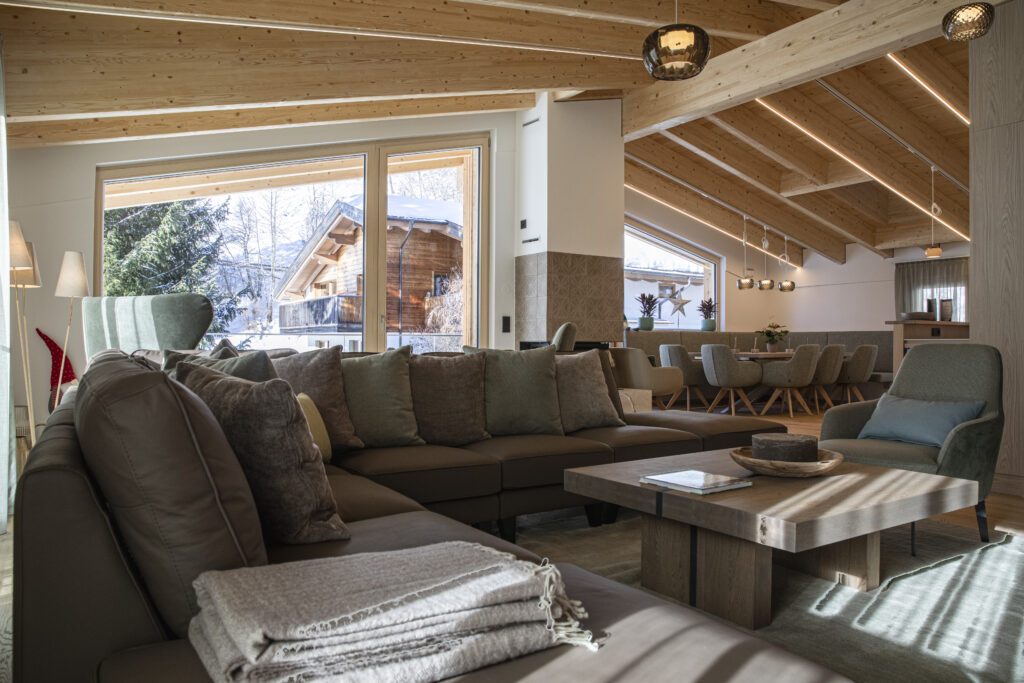
One of St. Anton’s advantages is its accessibility. The resort has its own train station, with direct and connecting trains from several European cities.
For most travellers, Innsbruck is the most straightforward airport if flight schedules work, with a transfer of around 1 hour 15 minutes. It is a smaller airport; though so, there are a lot less providers and flight times. Being surrounded by mountains, flights to and from Innsbruck sometimes face delays due to weather, but it’s otherwise a gorgeous destination to land and take off in, with cracking views.
Zurich is further away, at 2 hours 30-minute transfer but is a useful alternative with a much broader range of international flights and likely a little more reliable.
Transfer times can be considerably longer during heavy snowfall, at weekends and around peak periods, so it is worth allowing some flexibility when planning arrival and departure days.
Yes. St. Anton has access to Ski Arlberg, Austria’s largest interconnected ski area, with around 300km of pistes and more than 200km estimated off-piste to explore. It is particularly well suited to intermediate and advanced skiers, with excellent freeride terrain alongside extensive groomed pistes.
The Arlberg technically refers to the wider mountain region and mountain pass between Tyrol and Vorarlberg in Austria. Meanwhile, the Ski Arlberg is the name for the pass and interconnected ski area that sits within this region, linking the major ski areas of St. Anton, St. Christoph, Stuben, Lech, Zürs and Warth-Schröcken under one ski pass.
Generally though, many refer to ‘Arlberg’ as reference to the skiing area so, the ‘Ski’ is often dropped in discussions without losing understanding.
Yes, although there are better-known beginner resorts. The Nasserein area is the best place for first-time skiers, with gentler slopes and dedicated learning areas away from the busiest parts of the resort.
Very much so. The wider Ski Arlberg is one of Austria’s most plentiful and well-known freeride areas, with around 200km of terrain accessible, especially around Valluga, Schindler and Stuben.
It depends on what you want from your holiday. Both have access to the wider Ski Arlberg area, but Lech is generally quieter and more polished, with a stronger emphasis on luxury accommodation, restaurants and a traditional village atmosphere. St. Anton is better known for lively après-ski and nightlife.
Yes. The resorts form part of the same Ski Arlberg area and are connected by lifts and pistes. In comparison to other major ski resorts that share the same ski area, the journey is a bit longer between Lech and St. Anton than between, say, Méribel and Courchevel. It is best treated as a full-day excursion to explore that side of the ski area rather than a quick pop over the hill.
St. Anton has a strong reputation for snow reliability, helped by the Arlberg’s weather patterns and extensive high-altitude terrain. The highest lift-served skiing reaches 2,811m, and the resort generally has a long season from early December into April.
St. Anton is best known for its combination of challenging skiing, extensive freeride terrain and lively après-ski. It is one of the most energetic resorts in the Alps, but it also has a long history as one of the birthplaces of Alpine skiing.
The combination of serious skiing and genuinely lively après-ski is what sets St. Anton apart. It has the scale and terrain of a major international ski area but retains the character of an Austrian mountain village, with traditional restaurants, bars and chalets spread through the valley.
Whether you are looking for a large catered chalet for a group, somewhere close to the après-ski or a smaller place for a short break, we can help narrow down the options according to your group, dates and priorities.
Browse our collection of luxury ski chalets in St. Anton or contact our ski specialists to discuss your next trip to the Arlberg.
The 5 Best Ski Resorts in Europe for Après-Ski

Author
Growing up skiing in the Alps and spending summers sailing sparked a lifelong passion for travel and adventure. Turning a lifelong passion for travel into a career, specialising in luxury ski chalets and summer villas, I love sharing first-hand knowledge to better understand our destinations and shape your next escape.
22 October 2026
View author
Our expert advisers will curate a bespoke shortlist of the finest stays, tailored to your budget and preferences.
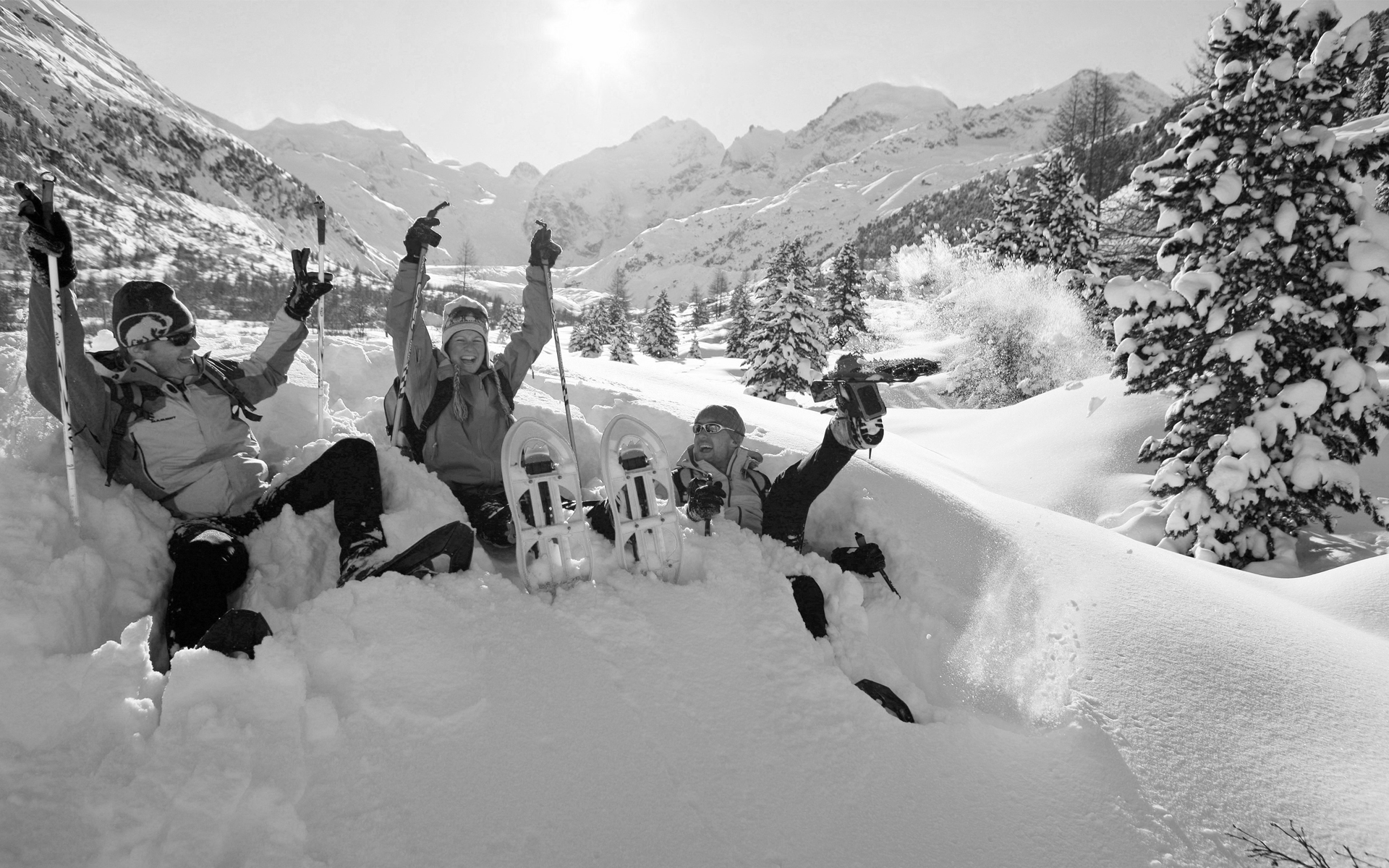 The Best Ski Resorts for Spring Skiing
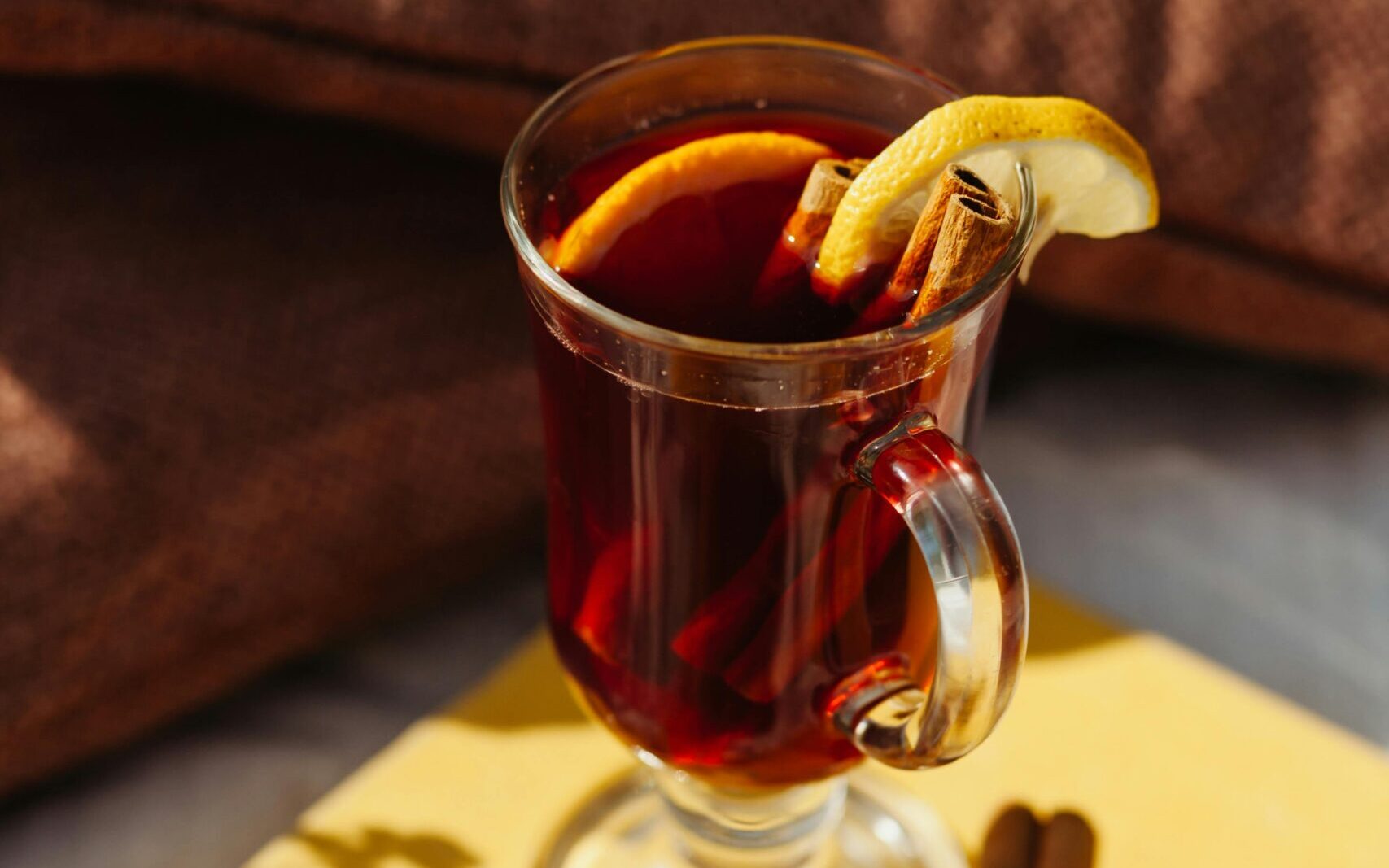 Top 7 Apres-Ski Drinks & Recipes for Your Alpine Escape
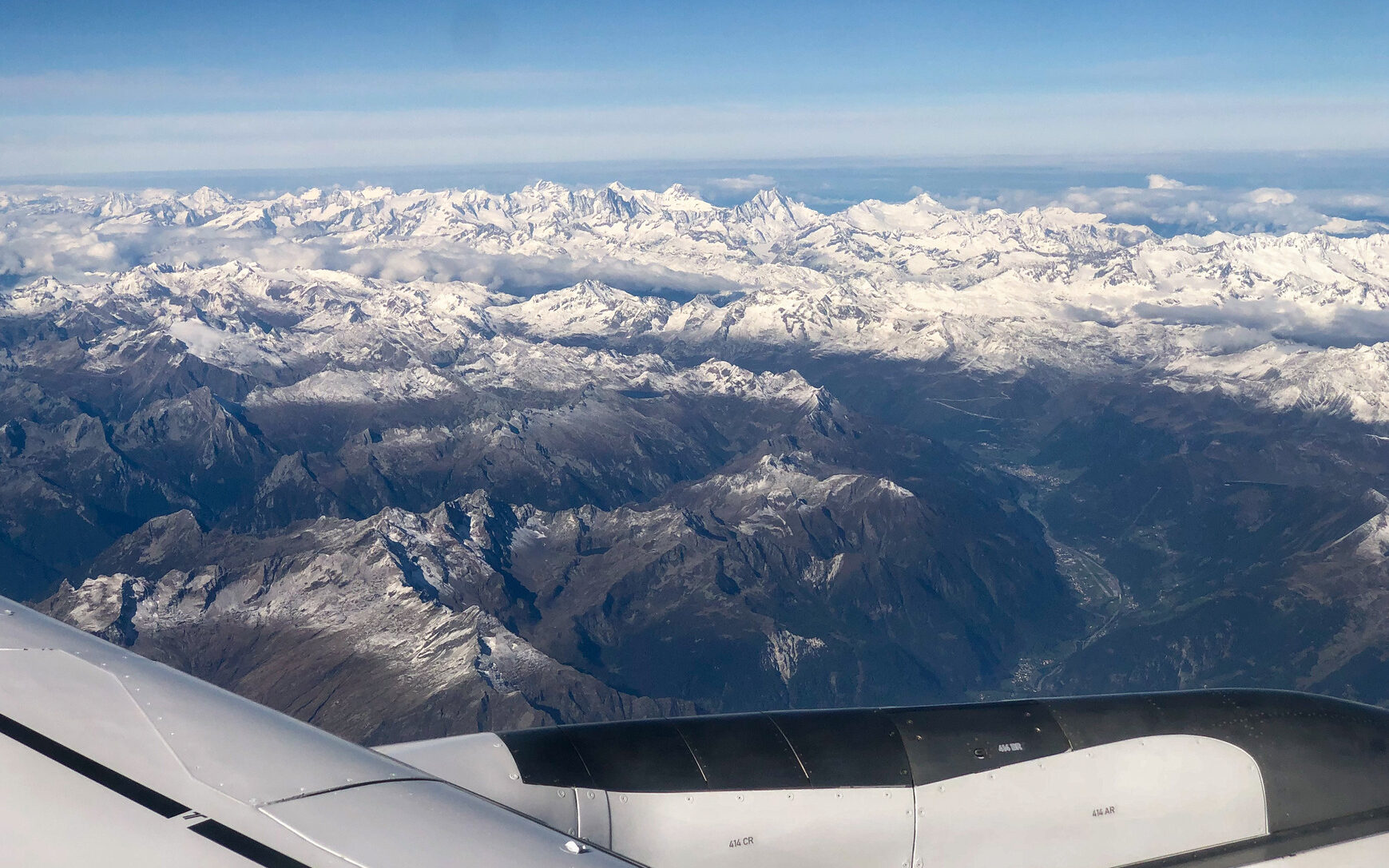 The Top 5 Closest Ski Resorts to Geneva Airport
 Geneva Luxury Holiday Guide
 Switzerland Luxury Summer Holidays Guide
 Marbella Luxury Holiday Guide
 Majorca Luxury Holiday Guide
 Ibiza Holiday Guide
 Spain Luxury Holiday Guide
 Algarve Luxury Holiday Guide
 Portugal Luxury Holiday Guide