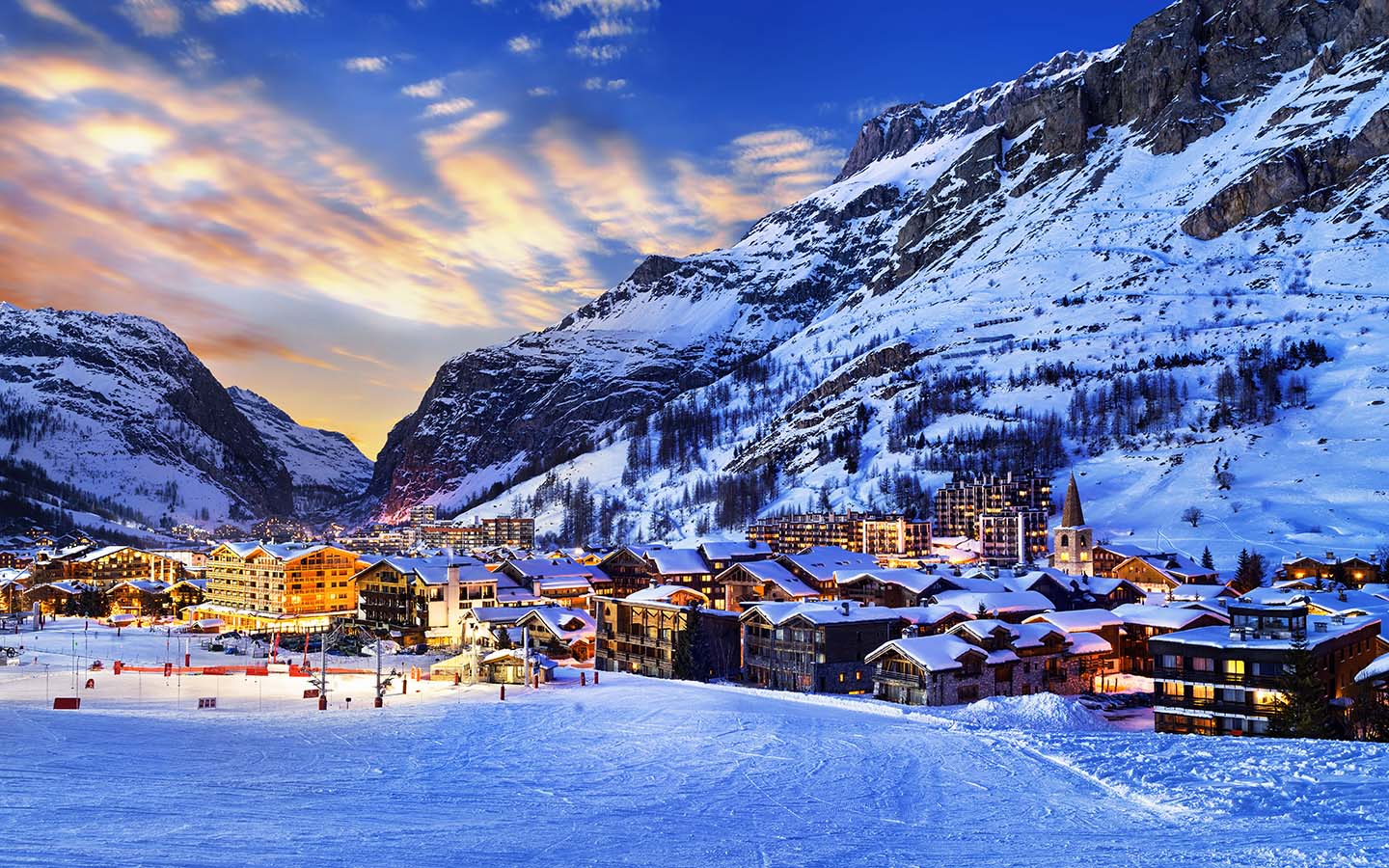
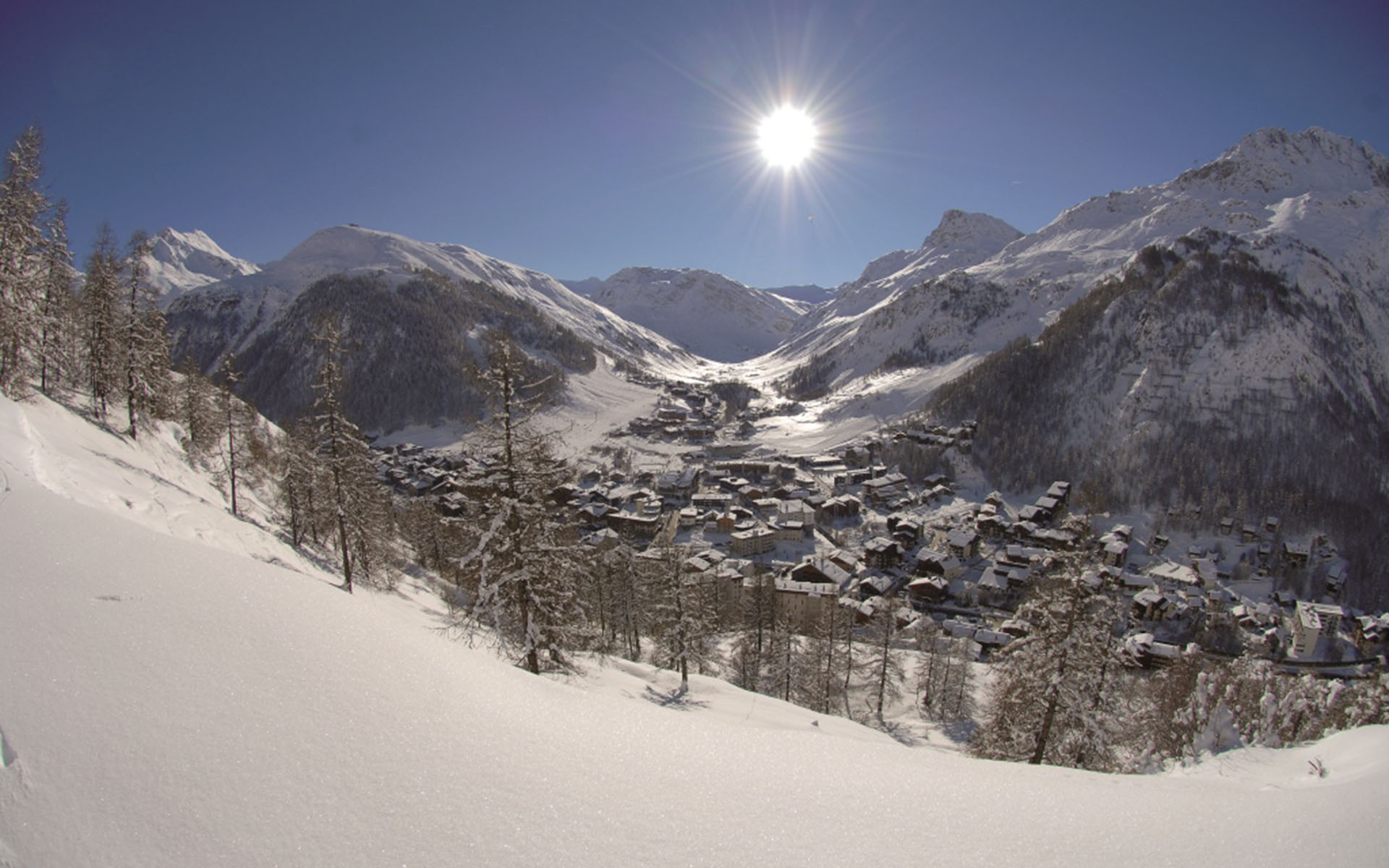
Val d’Isère is the perfect all-round ski resort. It has a buzzing atmosphere and an elegant village. Its famed high-altitude skiing and top-tier lift system is complemented by plenty to do off the slopes. Our unique perspective, as a London-based company with 134 of the finest ski chalets in Val d’Isère, highlights what’s important from a visitor’s point of view, backed by local insights. Discover what you need to know in our Val d’Isère ski resort guide.
We love the world-class skiing of the Tignes–Val d’Isère ski area, with a huge variety of terrain, so there is plenty for all levels of skier. Being at a high altitude, the snow record is one of the best of any resort in the Alps. And we love the buzzing nightlife and lively après scene.
Val d’Isère has the advantage of sitting at a high altitude, with most of the skiing being well above 2000m and extending up to an impressive 3450m. As a result, the snow record is extremely good, so you have confidence in experiencing decent snow compared to lower ski resorts.
Val d’Isère and the Tignes–Val d’Isère lift system is modern and efficient, and copes with the crowds very well, so queuing takes less from your holiday, even in peak times.
Plenty is going on off the slopes to keep you entertained on a ski holiday here, with many great restaurants, stylish boutiques and ski shops. Plus all the classic alpine activities from ice skating to dog sledges.
A long-time favourite of the party crowd, Val d’Isère has a chic ‘je ne sais quoi’ and has maintained a definitive Alpine charm despite growing into a large ski resort.
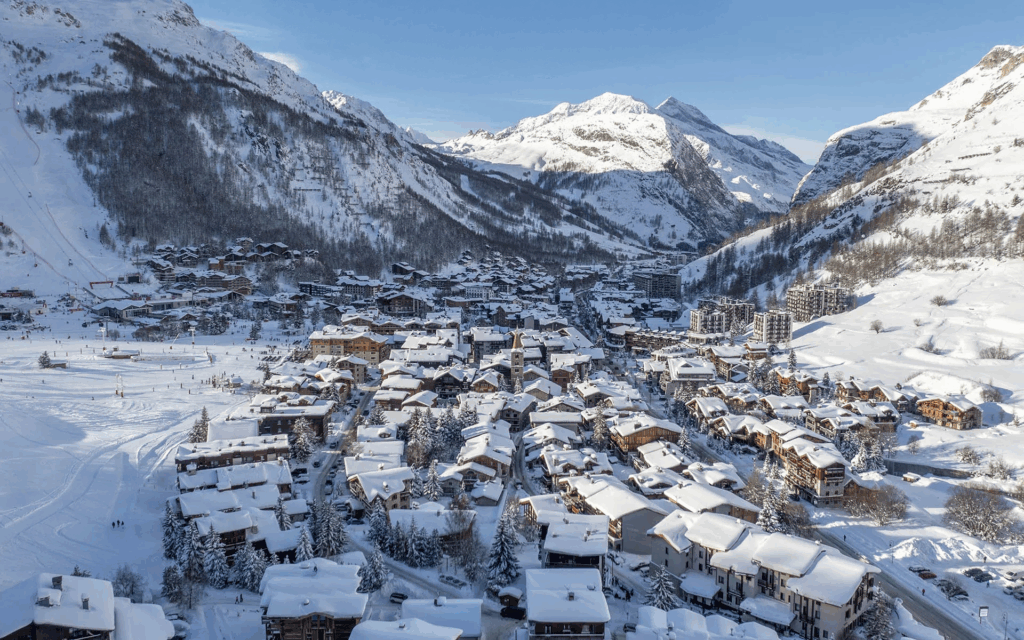
In Val d’Isere, the ski season runs from early December to early May: one of the longest of any of the resorts in the Alps. Due to the high altitude of the ski area, it is a great option for skiing either early or late in the season.
It’s at its liveliest around Christmas, New Year and school half terms. If you want to avoid the crowds and spend less, travel outside those times if you can. Christmas is a lovely time to visit, because Val d’Isere goes all out on the festivities.
In December, the days are shorter, and the temperatures are lower, whereas as spring approaches, the days are getting longer and the temperatures are warmer.
February or March are fantastic months to ski in Val d’Isère as they offer a great balance of good snow conditions, warmer, longer days and a greater chance of blue skies.
If you are thinking of skiing in April, Val d’Isère is one of the best resorts to choose due to the high altitude of the ski area. This means Val d’Isère has some of the most reliable snow conditions in the Alps for late-season skiing.
The months of December and January see the heaviest snowfall in Val d’Isère.
The high altitude of the ski area means the snow coverage on the pistes tends to be very good right through to mid/late April. This makes Val d’Isere a reliable destination for ski trips throughout the ski season.
| Month | Average Snowfall | Snowfall Days |
|---|---|---|
| November | 82cm | 5 days |
| December | 138cm | 10 days |
| January | 136cm | 10 days |
| February | 89cm | 9 days |
| March | 82cm | 9 days |
| April | 65cm | 7 days |
| May | 3cm | 1 Day |
Weather data from snow-forecast.com, averaged from research spanning more than a decade. The weather is different each year, but looking at historic averages, you can get a great idea of what to expect.
In Val d’Isere, the ski season starts around the end of November/beginning of December and runs through to the 1st week of May.Outside of this period, the ski lifts are unlikely to be operational. Some lifts do, however, run in the peak summer months of July and August for pedestrians and mountain bikers.
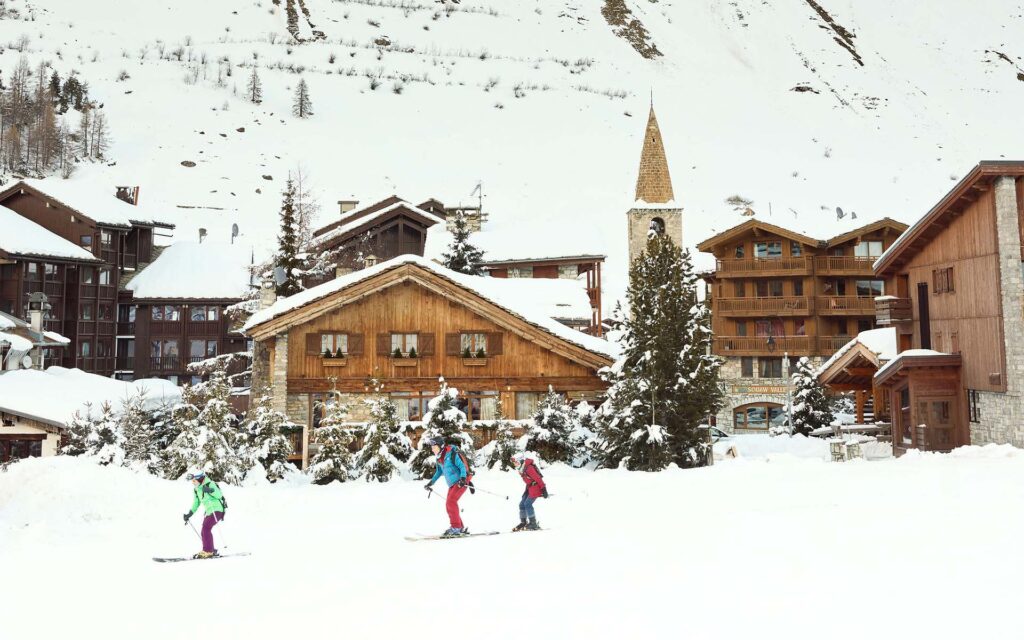
Val d’Isère has a reputation as being one of the best ski resorts in the world, and for good reason. For a start, it’s vast. The ski area links in with Tignes and offers a plentiful supply of well-groomed pistes for beginners and intermediates.
For the more advanced skiers, there are monster mogul fields, steep blacks, some epic off-piste bowls and couloirs and for the speed junkies, there’s the legendary Olympic men’s downhill run. Not forgetting the variety of luxury ski chalets on offer.
Val d’Isère also has the advantage of altitude, with most of the skiing being well above 2000m and extending up to an impressive 3450m. As a result, the snow record is extremely good and you can be confident of finding some decent snow on your luxury ski holiday.
The Val d’Isère lift system is modern and efficient and copes with the crowds very well, so queuing is not really an issue even in peak times.
| Ski Lift Type | Count |
|---|---|
| Cable Cars | 3 |
| Gondolas | 6 |
| Chairlifts | 39 |
| Drag Lifts | 17 |
| Magic Carpets | 8 |
| Funicular | 2 |
In Val d’Isère, beginner skiers will find a welcoming environment with plenty of gentle slopes and well-marked beginner areas. The resort offers several green and blue runs, ideal for those just starting out or looking to build confidence on the snow.
There are ski schools with expert instructors who provide excellent guidance, ensuring a comfortable learning experience. The wide, open spaces and slower lifts make it easier for beginners to navigate the mountain at their own pace, and the picturesque views of the surrounding Alps add to the charm of the experience.
Intermediate skiers will thrive in Val d’Isère, as the resort offers a vast array of blue and red runs that cater to this skill level. With more than 300 kilometres of skiable terrain, intermediate skiers can enjoy cruising down long, scenic slopes that wind through the resort’s varied landscapes.
The challenging runs, combined with wide open pistes, provide plenty of opportunities to improve technique and push one’s skills further. For those seeking variety, the resort also has a range of off-piste areas that are accessible with a guide, giving skiers a taste of more adventurous terrain.
For the most advanced skiers, Val d’Isère is a true paradise. The ski area has some of the most challenging and thrilling terrain in the Alps. Expert skiers can tackle steep, technical runs, mogul fields, and off-piste routes that offer exhilarating descents.
The terrain is varied, with everything from high-altitude glacier skiing to deep powder areas, making it a perfect destination for those who crave adventure. There are also numerous ski tours and backcountry options, with guides available to ensure safety while exploring the more rugged, untamed parts of the mountain.
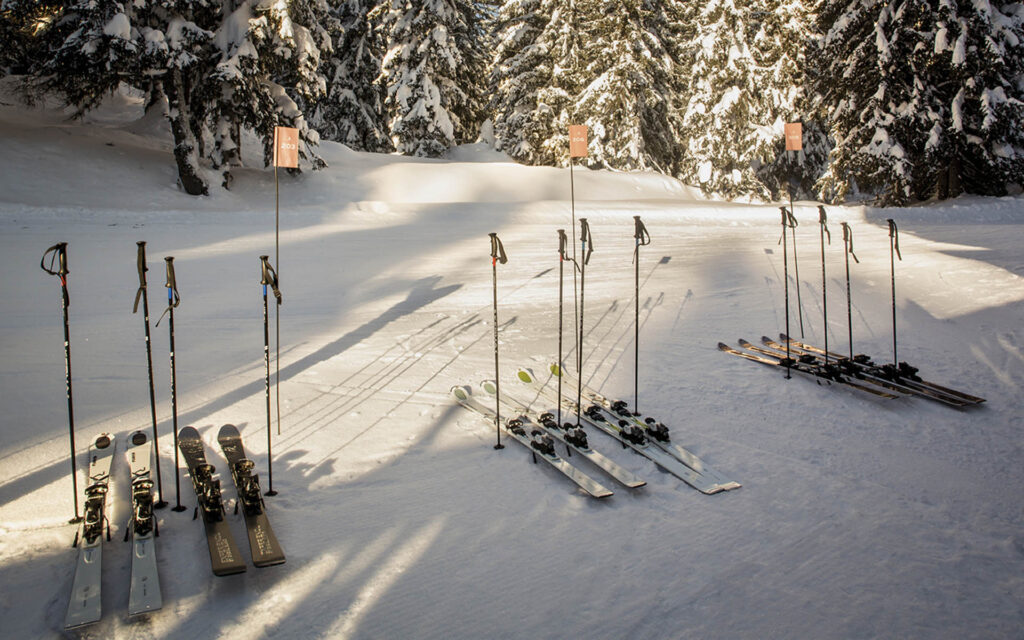
There are a multitude of ski rental shops in Val d’Isère, so there will be a shop close to wherever you stay in the ski resort. If you book a chalet with a driver service, your driver can take you down to the local ski shop to try on boots and pick up your equipment.
It is also possible to order the ski equipment you require online and it will can be delivered and fitted directly in your ski chalet. When staying in one of our luxury chalets, our team will help you through the process to make it as smooth and effortless as possible.
When it comes to buying a lift pass, skiers can choose between a full area Tignes-Val d’Isère ski pass, a Val d’Isère only pass, or one for just the Solarise beginner area.
The full area Tignes-Val d’Isère ski pass will include all of the lifts right across Val d’Isère and Tignes, covering all 300km of pistes. For most intermediate skiers staying for a week, the full area Tignes-Val d’Isère ski pass will be the most suitable.
If you are only skiing for a couple of days, or you are an inexperienced skier, you may consider a reduced lift pass, covering only the Val d’Isère sector (150km of pistes). With this option, however, you would not be able to ski over to Tignes.
For beginners, there is also an option to buy a lift pass covering only the Solaise area, which is a much smaller ski area (41km).
Which school and lessons are right depends on your skill, learning style and where you are staying. We can recommend a ski school if you book your ski chalet with the Firefly Collection.
The area has 2 snow parks, one on the Val d’Isère side of the mountain range and one on the Tignes side.
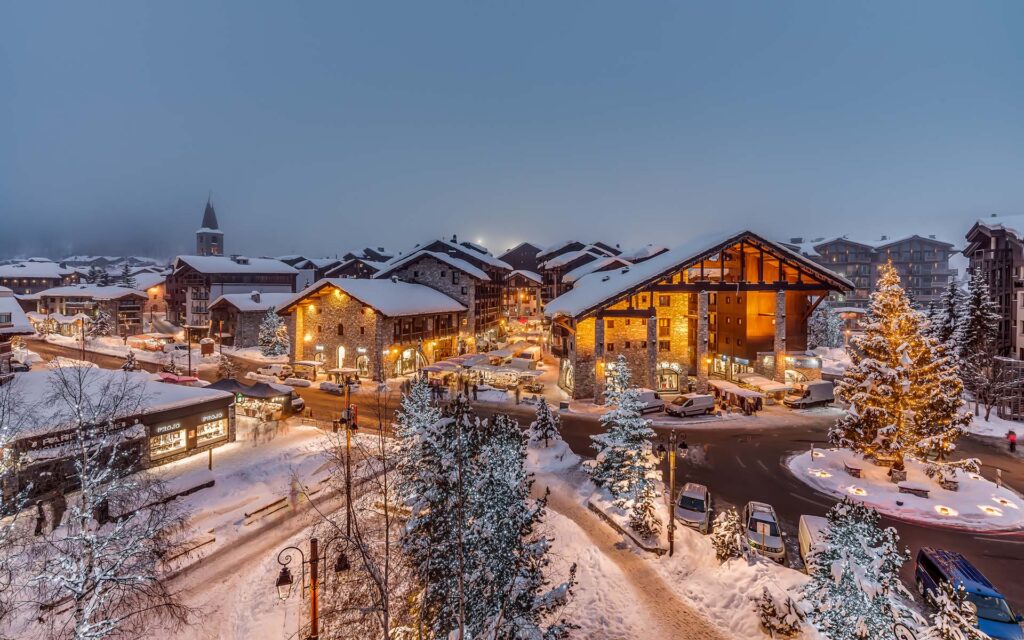
There is plenty to do beyond the skiing and snowboarding that Val d’Isère is famous for.
There is no shortage of bars, happy hours and clubs if you feel like hitting the town after skiing or dinner. You have to go to the Folie Douce, the legendary mountaintop party place, even if its champagne-popping cabaret-dancing glitz is a bit brash for your taste. It’s a sight to behold.
In town, you’re never more than a short walk from a brilliant bar that you’d happily spend your whole holiday in. If I could only go to the best of the best during my trip, I’d prioritise Cocorico and get there early to avoid the inevitable queues that form for its brilliant live music and electric atmosphere. Later in the evening, Le Petit Danois is the place to be; it’s a little rough around the edges, but the cosy low ceilings, pool tables and pumping music are as intoxicating as the high-strength Danish beer served across the bar.
A hidden gem worth checking out is La Rosee Blanche; it’s easy to miss because it’s not in the main town or up the mountain. It’s in the La Daille neighbourhood, a half-hour walk or a 5-minute drive from the main town centre. It’s worth ending one of your days skiing down to La Daille and setting your skis down at this quaint spot that comes alive as the sun goes down. Have a quick look (there’s little else there) around the less-seen side of the old town, then get a taxi or bus back to your chalet.
Of the 70-plus restaurants, two stand out. Try La Becca – the young chef was awarded a Michelin star in 2011, and Table de l’Ours, also Michelin-starred.
Up in the mountains, most restaurants are of the self-serve variety, but the Edelweiss, above Le Fornet, is consistently recommended by critics. Most of the better mountain restaurants are strung along the Verte piste from Rocher de Belvarde to La Daille, namely Belvarde Altitude, Les Marmottes, La Folie Douce, Le Trifollet and Les Tufs.
If you want to splash some cash on the latest fashion, you’re in for a treat. The large town centre, between the two roundabouts at either end of town, houses a great selection of big brands and local gems.
The gorgeously futuristic neon-bathed Moncler store is perfect for picking up the highest quality outerwear to look and feel the part on the slopes. You’ll find other mountain-minded brands throughout the town, including North Face, Patagonia and Columbia.
If you are looking for something special, the charming boutique Point Break offers a rotating, curated selection of beautiful pieces. There are plenty of other permanent and pop-up boutiques to find around town, catering to a variety of tastes.
If you’d rather take in the views without breaking a sweat, book yourself in for a dog sledging experience. It’s a unique way to see the Alps and a must for dog lovers. I’d personally recommend Evolution 2 as the top dog in the area.
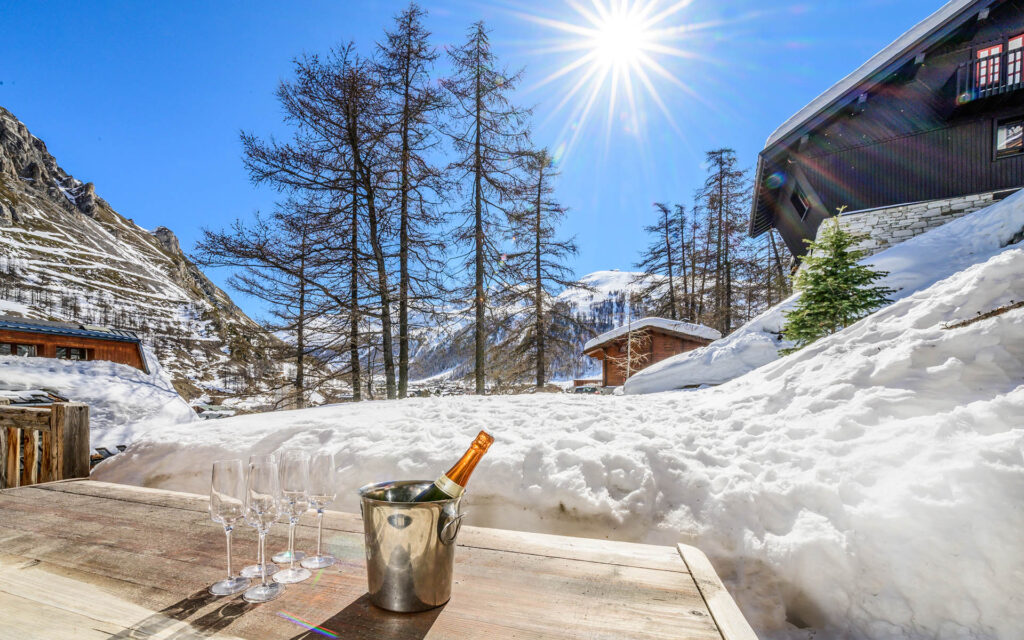
After a long day skiing, it’s perfectly fine to just kick back, relax, and get in the hot tub of your ski chalet. Of course, it’s just as fine to forego the skiing and just spend the day relaxing in your own oasis among the snow. It’s your holiday, if you want to take it easy and read a book by the fire, that’s exactly what you should do.
You can’t miss the sledge area if you have kids in your group, especially if they are struggling to learn to ski. Sledging is a lot easier and is great for building confidence on the slopes. If a classic sledge is not your style, try a Snooc. These are the new toys in town, consisting of a single ski with a raised seat and steering/braking column. Snoocs are available to rent around Val d’Isère and are great fun.
Not interested in snowmobiles or moonbikes? Get yourself an electric fat bike (no, that’s not a rude name for an exercise bike). Fat bikes are classic mountain bikes but with giant tyres that can tackle snow. Add electric power, and you’re able to easily fly through the beautiful Alpine valleys. This experience is available via Wattsup.
If you love racing, snow buggies are ski resorts’ answer to go-karts, and Val d’Isère has one of the few snow buggy racing tracks in Europe. Race your family and friends on the 240m track on the roof of the Aquasportif centre. Find out more here.
Paragliding in winter can be chilly, but when you wrap up right, there’s no better way to take in the breathtaking sights of the valley of Isère. If I could only do one of these activities, a tandem paraglide with Parapente Val d’Isère would be the one.
If you’re looking to take a break from the bustle of the slopes but keep on the winter wonderland theme, ice skating is hard to beat. Ice skating is especially great for couples or families looking to slow down a little and enjoy a quieter, more intimate time together. Just pop down to the open-air ice rink in the heart of the village, you can’t miss it.
If all of the above sounds a little too strenuous for you, and you want a real retreat, the answer is a spa day. Luckily, ski resorts are synonymous with spas. Whether you want to soothe your sore muscles after a few days skiing or spend your entire trip soaking your cares and woes away, the answer is a spa day. There are at least 10 spas, wellness centres, and relaxation centres open daily throughout winter, which you can browse here.
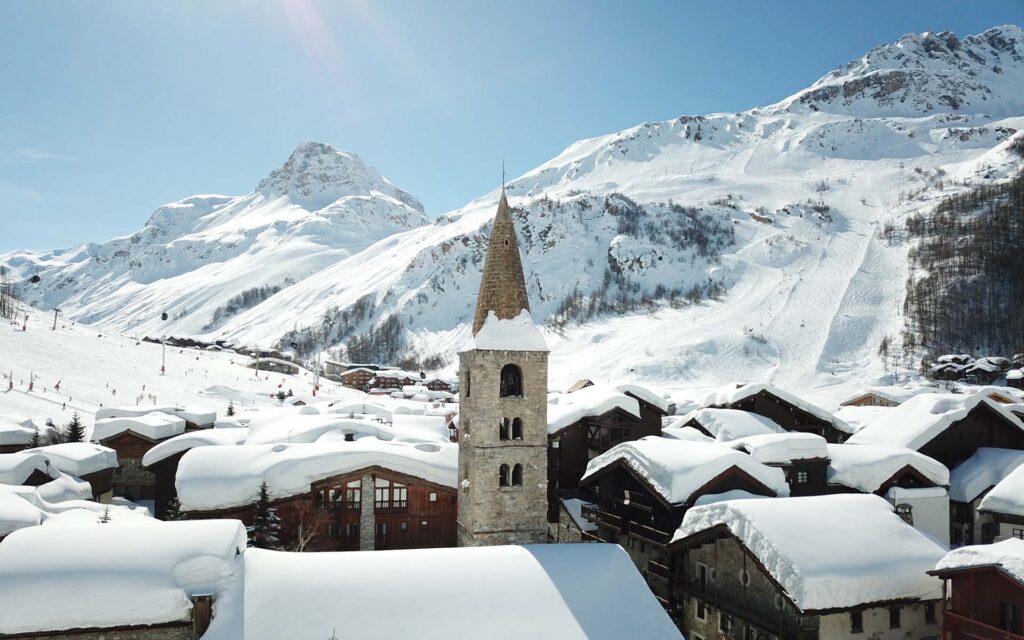
Everyone has different travel preferences, which can be heavily influenced by where you are travelling from. So we have outlined each of the major routes below. However, for most travellers, the recommended route is to fly into Geneva and then get an airport transfer by car up to the resort. This takes less than 4 hours, and is a gorgeous experience in itself as you drive through some of the most picturesque valleys in the Alps.
The closest airport is Geneva Airport in Switzerland. Please be aware that transfer times may be longer during peak weeks and poor weather conditions. If short transfer times are your priority, check out our guide to resorts near Geneva Airport, or browse our chalets with short transfer times.
Frankfurt Airport: 1 hour 5 minutes
Paris, Charles de Gaulle Airport: 1 hour 10 minutes
London, Heathrow Airport: 1 hour 40 minutes
Rome, Flumicino Airport: 1 hour 45 minutes
Madrid, Barajas Airport: 2 hours
New York, JFK Airport: 7 hours 35 minutes
Los Angeles, LAX Airport: 13 hours 25 minutes
Car: 3 hours 45 minutes
Train: 5 hours
Helicopter: 30 minutes
Please be aware that transfer times may be longer during peak weeks and poor weather conditions. If short transfer times are your priority, check out our guide to resorts near Geneva Airport, or browse our chalets with short transfer times.
There’s no train station in Val d’Isère itself, but there’s a major station further down the valley in Bourg-Saint-Maurice. It’s easy to get there from major cities such as London (8 hours including 1 change), Paris (6 hours including 2 changes), Lyon (4 hours including 1 change) and Geneva (4 hours including 1 change).
Notably, it’s faster to drive to Val d’Isère from the nearby airports than to get the train to Bourg, assuming the traffic is on your side. But the train can be a better option if you want to avoid flights and the long transfer up mountain roads.
Getting from the train station to Val d’Isère takes around 45 minutes by car, or a little longer using the shuttle bus.
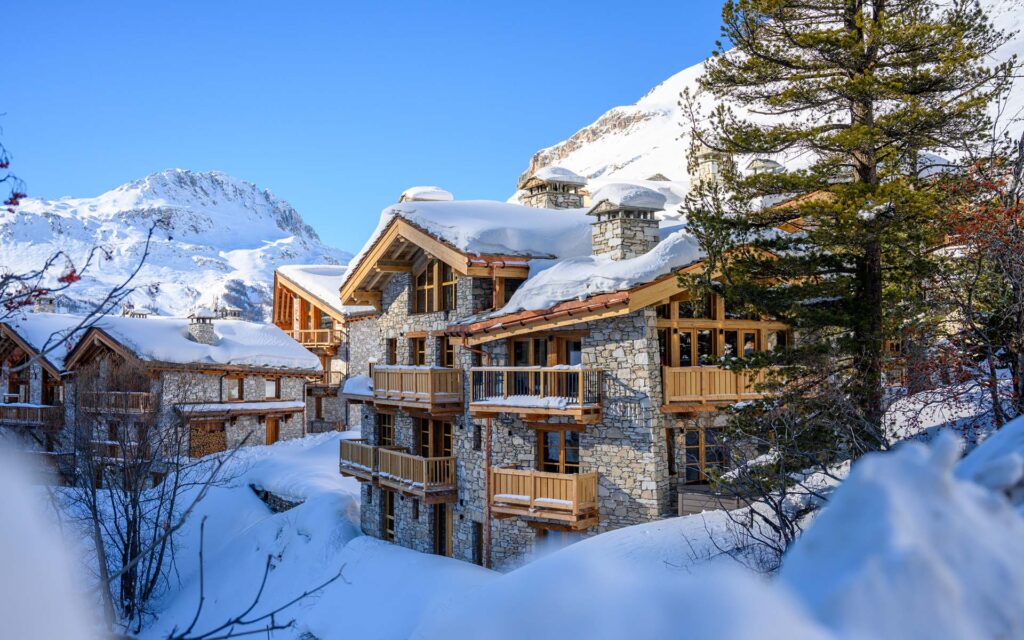
When you’re going on holiday to the Alps, a chalet is always the best option; it makes the experience all the more special to stay in one of these unique Alpine lodges. And in recent years, they have become some of the most beautiful and feature-filled properties in the world. After a day of fun on the mountain, the perfect way to spend the evening is your own mountaintop manor, quite literally on top of the world.
As luxury chalet experts who have spent over a decade collecting the finest chalets in the Alps, we have the best chalets in Val d’Isère for you to browse and book. We have a broad range of chalets suitable for almost everyone. And if you’d prefer to stay in a hotel, we can connect you with the best of the bunch.
If chalets and hotels are not within your budget, you might want to think about a hostel or refuge. These basic, communal hubs are cheaper, but you get what you pay for. If you want to have as good of a time off the slopes as on, prepare to spend a little more. If you can afford it, you’ll be treated like kings and queens, but wherever you stay, Val d’Isère’s warm, secluded yet buzzing atmosphere will make you feel at home.
Browse our collection of the finest chalets in the area here
Val d’Isère is a town in the French Alps. The literal translation from French to English means the Valley of Isère because the town was founded near the glacial source of the Isère River, a major tributary to the Rhone, the only river flowing from the Alps to the Mediterranean Sea.
The town had a long history before winter sports existed, with its church dating back to 1664, being one of the few not destroyed in the French Revolution. Before being one of Europe’s most popular ski resorts, it became a coveted area of natural beauty that explorers battled harsh conditions to plot routes to.
Today, vast improvements to the road networks in and around the valley have made this rare haven easily accessible. The drive from nearby Geneva airport is breathtaking, made all the more memorable when one remembers the centuries of care that have carved the routes into the rock.
Val d’Isère is regarded by many as the epitome of alpine allure, where breathtaking beauty, exclusivity, and world-class skiing converge in perfect harmony. Nestled in the heart of the French Alps, near the glacial source of the Isère River, this ski resort boasts pristine views of towering peaks and endless slopes that are as varied as the famous après-ski hotspots.
It’s a Remote Sanctuary
Tucked away in a remote valley, Val d’Isère is a winter wonderland world of its own, offering an indulgent dose of warm seclusion that other resorts give a taste of. While it may feel like an escape from the everyday, over 3 hours from Geneva, it’s far from inaccessible, with superb transport links to and around the town. The longer transfer puts off the faint-hearted, making it giving the place an exclusive, buzzing atmosphere free from the crush of other popular resorts.
Mind-blowing Skiing
Seasoned skiers know the impressive variety of terrain here would make the often-samey 3 Valleys blush, not for lack of reds. Carving through powder on the legendary Tignes-Val d’Isère ski areas’ diverse runs feel different each day. The unique bowls and valleys of the area make for a fun day out, surrounded by captivating views that beg you to stop and snap.
The more serene, tree-lined runs, curled up on the mountains like a fireside dog, are a snowball throw from some of the most exciting skiing in the world. For regular skiers, the region’s off-piste terrain doesn’t factor in, and working your way up to tackling the infamous La Face is more than enough to whet any appetite.
The Birthplace of Après-ski Heaven
Val d’Isère is home to the first and best Folie Douce (which has now spread across the Alps), where après takes on a whole new meaning. With top DJs spinning lively music over the surrounding mountain range, cabaret dancers, and a bustling crowd, it’s where ski boots come off and champagne corks pop. There’s no better way to wrap up a day on the slopes.
Down to Earth Glamour
There is an unmistakable air of exclusivity in Val d’Isère, with its boutique shops, Michelin-starred dining, and luxury chalets. But the resort, with its ancient church, cobbled streets and close proximity to budget-friendly, more modern Tignes, remains at its heart an old mountain village. You are not going to see the gold glint of Courchevel’s glitzy high street here; Val d’Isère is more of a classic Alpine town that’s grown to accommodate high demand.
Rich Mountain Culture
Beyond the skiing, Val d’Isère’s unique culture adds another layer of appeal. With a charming blend of tradition and modernity, the village boasts centuries-old Savoyard roots and an inviting community spirit. From the traditional alpine architecture to its ultra-efficient ski lift network, the resort effortlessly balances its history with a forward-thinking approach.
Val d’Isère is as much about the experience off the slopes as it is on. It’s a place where exclusivity meets adventure, and where a little bit of luxury goes a long way.
The resort sits around 1,850 meters above sea level. Its higher altitude is one of its main draws, sitting above most other ski resorts. By comparison, Paris sits at 25m, the lowest altitude ski resorts in Europe are around 350m high, and most ski resorts are between 500m and 1500m high. In Val d’Isère, the local ski lifts take you up as high as 3,450m, and for context, the highest mountain in the Alps (Mont Blanc) towers above everything at 4,809m.
There is a lot to consider when going on any holiday, and due to the logistics of getting supplies to a remote mountain community, expect it to be more expensive than most destinations.
We specialise in luxury accommodation, so we can confidently explain our prices. Accommodation tends to make up most of any holiday budget, but you’ll also need to pay for flights, transfers, food, drink, ski hire and ski lift passes. Like a ski holiday to any resort, these additional costs require a bigger budget than other types of holiday.
The least expensive private accommodation in Val d’Isere on our website is the 1-bedroom Flocon apartment, which costs €2,210 per week in the low season and €3,890 in the high season.
The most expensive private accommodation in Val d’Isere on our website is the 6-bedroom chalet Marco Polo, which costs €44,300 per week in the low season and €195,000 in the high season.
Val d’Isère can be good for beginners, but it’s not primarily designed with new skiers in mind. The resort offers a few beginner-friendly zones, such as the nursery slopes near the village and some well-groomed green runs like those in the Solaise area (accessible as part of the wider ski lift pass or its own special, beginner-oriented ski pass). These areas provide a safe environment for newcomers to build confidence while enjoying the stunning scenery.
Due to its relatively challenging terrain, Val d’Isère may not be the best choice for first-time skiers. The resort is renowned for skiing with technical runs and advanced trails taking up large parts of the ski map. Some of the blue (intermediate) runs can feel steeper and more intimidating than those at other resorts. Don’t be put off though. There is a beautiful variety of runs for intermediate skiers to enjoy and test themselves, so the resort is a great choice if you’ve been skiing before.
The high altitude of Val d’Isère can also lead to more ice on the slopes than in other resorts, making it more difficult for beginners to navigate. If you’re a complete novice, a resort with more extensive beginner areas and gentler gradients might be a better fit. Check out our blog post on the best ski resorts for beginners here for more information.,
Val d’Isère is a good ski resort for families, but it depends on the needs and preferences of your group. The resort offers excellent facilities for children, including events and activities, dedicated beginner zones, ski schools with highly skilled instructors, and childcare services. Family-friendly accommodation is also widespread, including chalets with playrooms and hotels with amenities like kids’ clubs.
Val d’Isère, like every resort, is not going to be the ideal choice for every family. Much of the ski terrain is better suited for intermediate and advanced skiers, which can limit options for beginners. Additionally, the high altitude and icy conditions on shaded slopes are not ideal for young or inexperienced skiers. Thankfully, there are plenty of ski resorts, each with unique strengths and character. Families with children who have never been skiing might prefer a resort with more beginner-friendly slopes and a wider variety of activities for children. Check out our blog post on the best ski resorts for families for more information.
La Face in Val d’Isère is renowned for its steep and challenging terrain. With an average gradient of around 32% and sections exceeding a 50% incline, it is one of the most demanding black runs in the French Alps. Spanning approximately 3 blink-and-you’ll miss them kilometres with a vertical drop of over 950 meters, it combines steep pitches, narrow sections, and icy patches, making it a go-to for expert skiers in Val d’Isère seeking a thrilling challenge. It’s one of the most famous runs in the Alps, and should only be attempted by accomplished skiers.
“Val – diz – air”.
You may also find these articles helpful if you are thinking about visiting Val d’Isere:
The best ski chalets in Val d’Isere
Written by
Will is a keen traveller and writer. When he's not travelling the world or writing about it, he's managing the marketing for Firefly Collection.
7 October 2024
View author
 Best Alpine Resorts to Visit in Summer
 The Best Chalets in Val d’Isere
 The Best Ski Chalets In The World
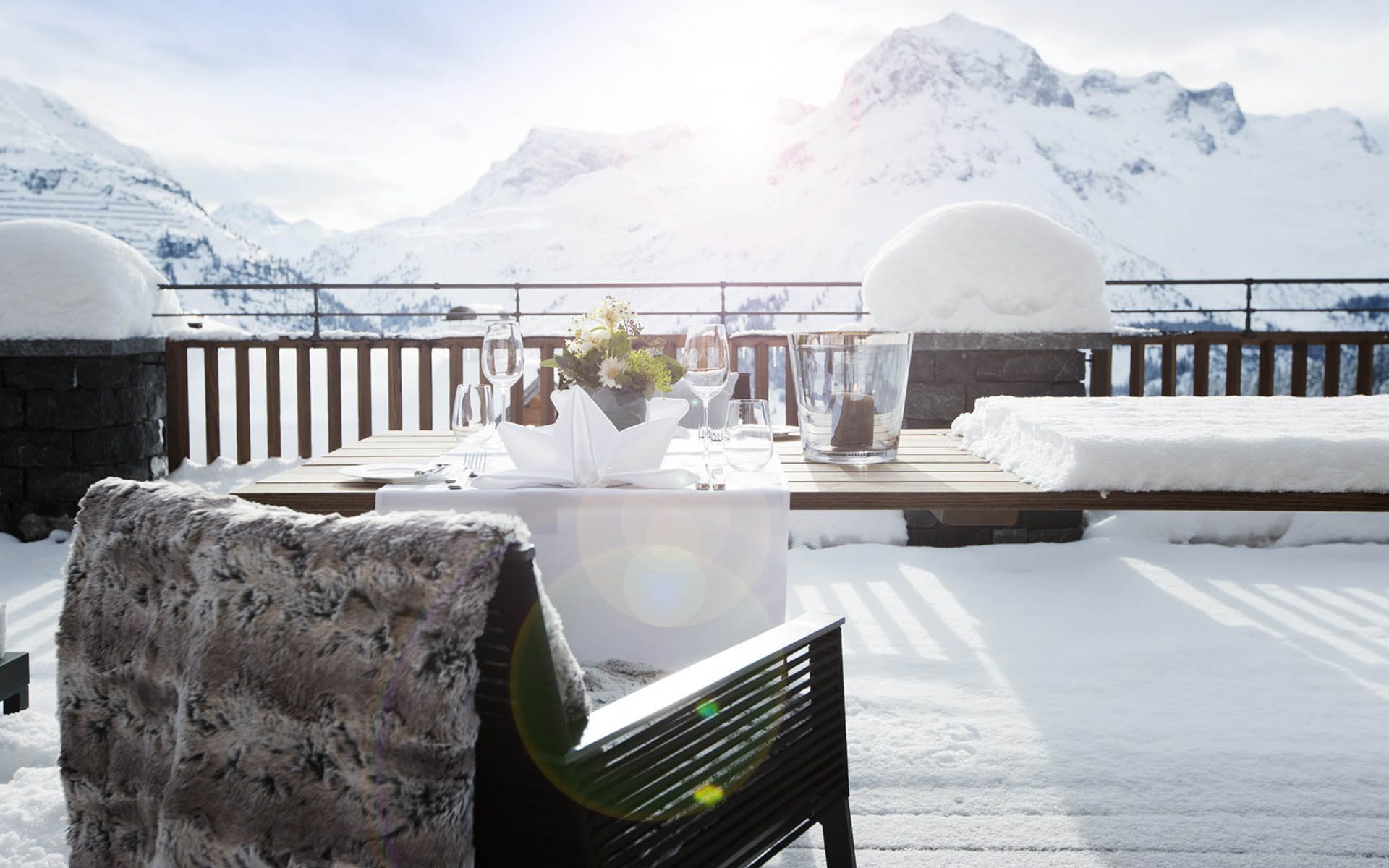 How to Find a Villa or Chalet for a Luxury Holiday
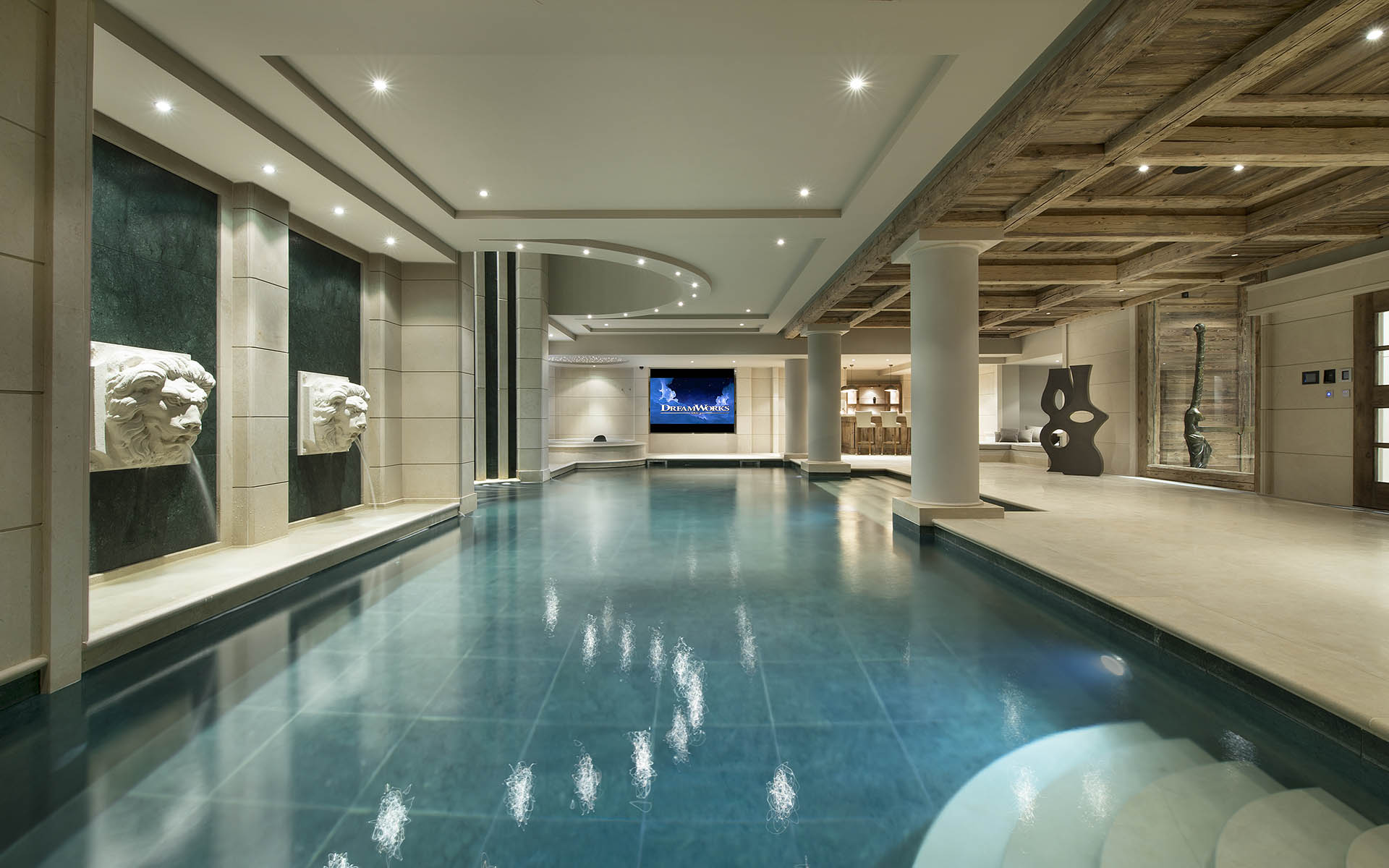 Defining the Best Luxury Ski Chalets: Now and in the Future
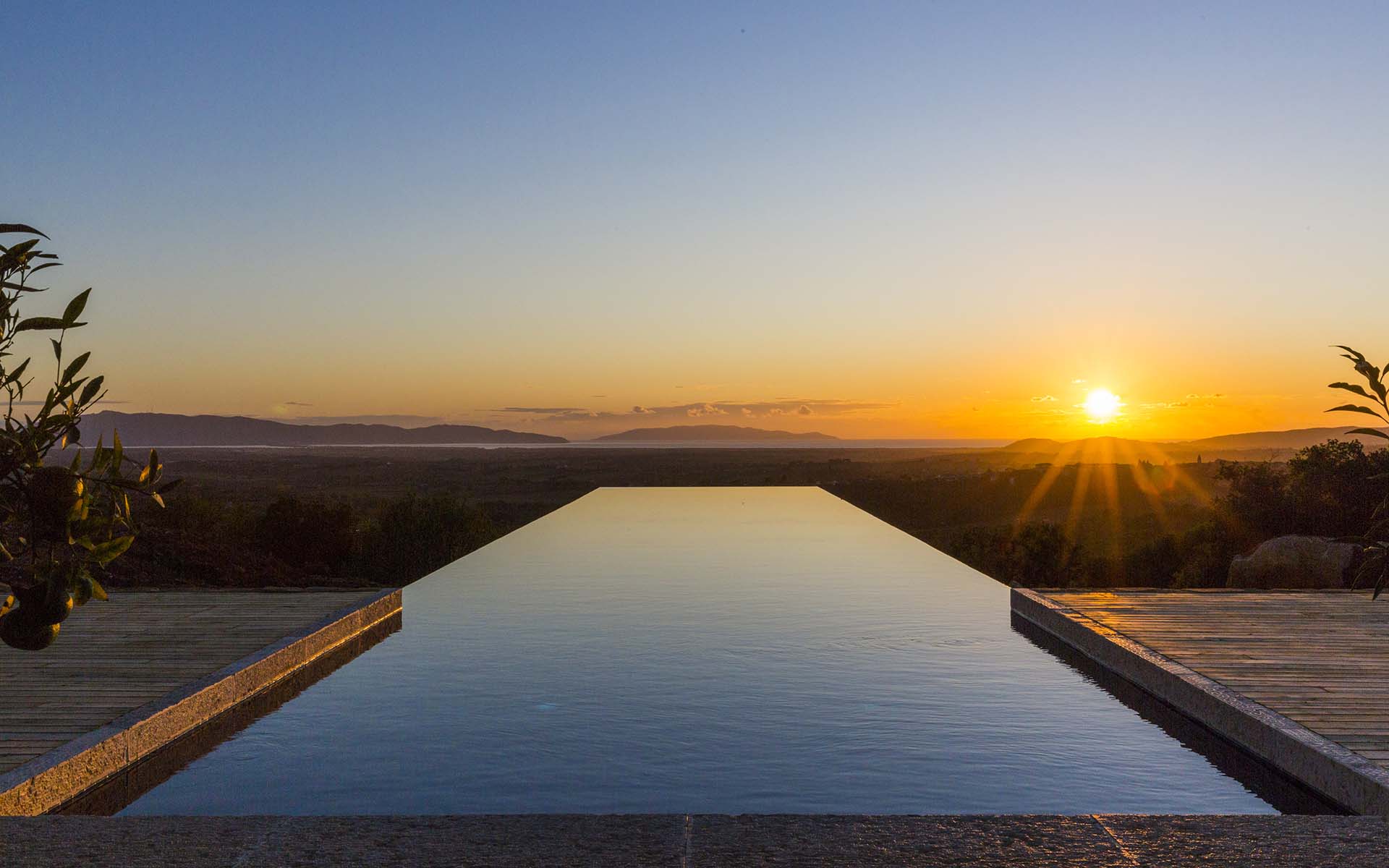 The Best Swimming Pools In Europe With Amazing Views
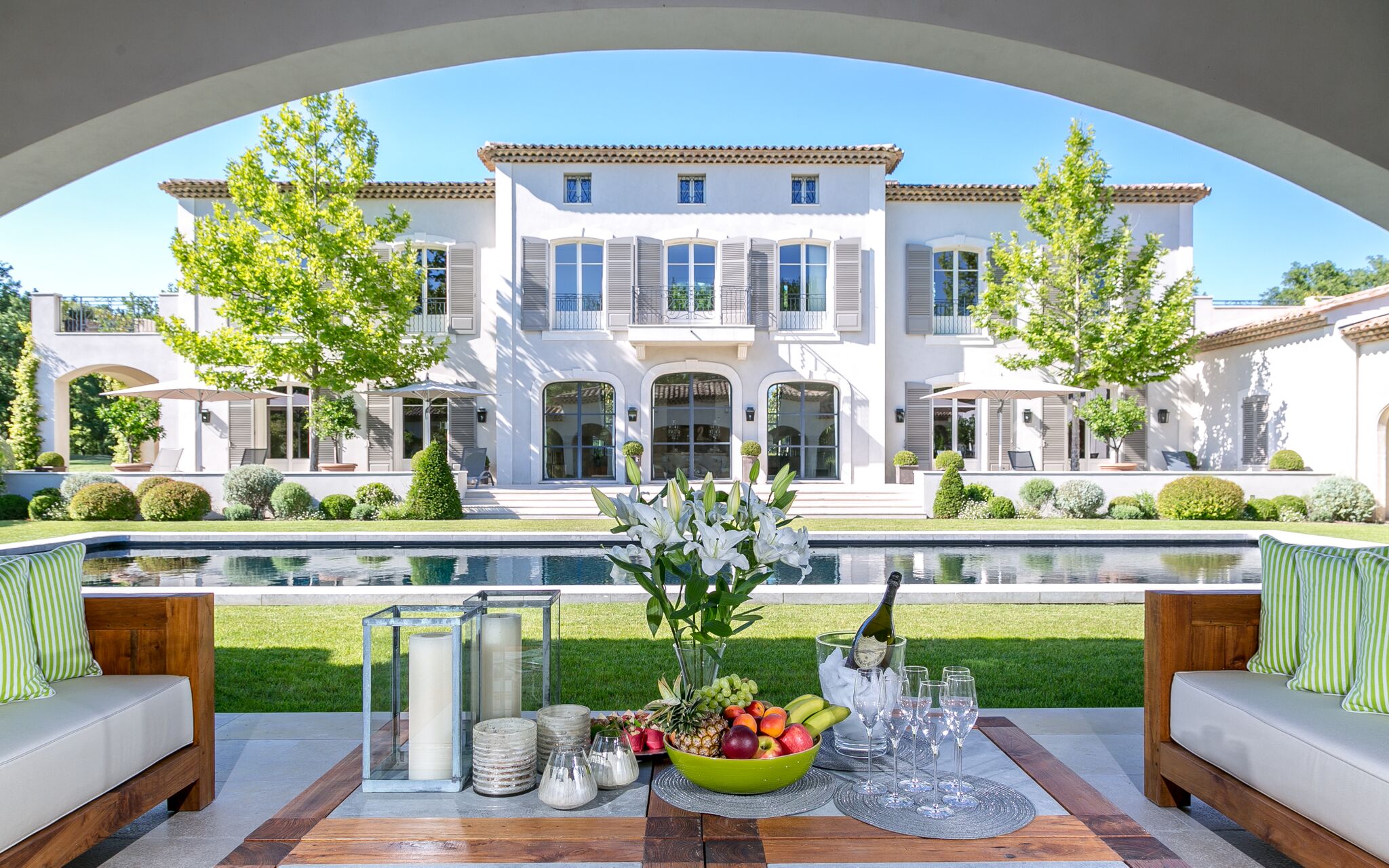 The World’s Best Countryside Villas
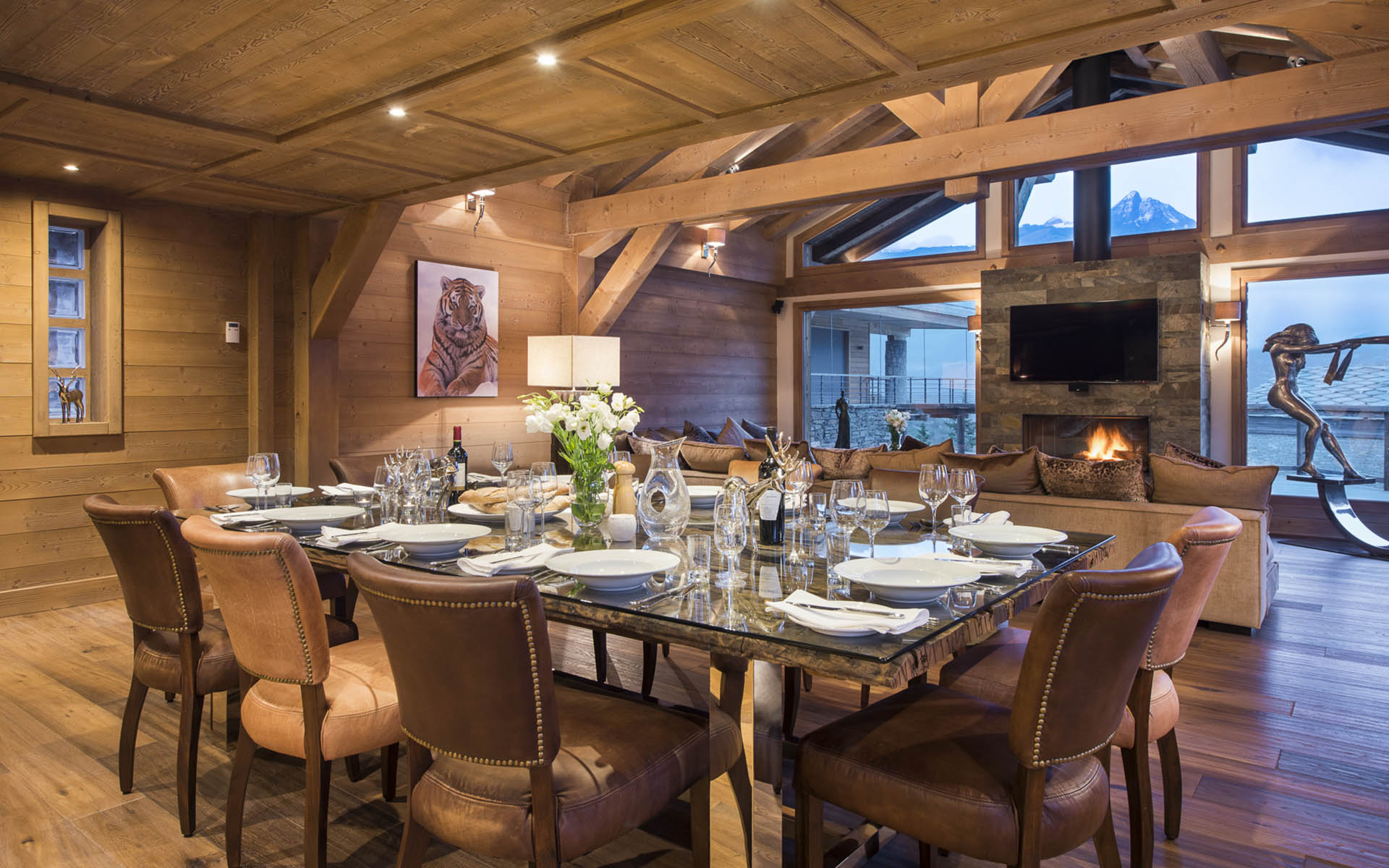 The Best Chalets in Tignes
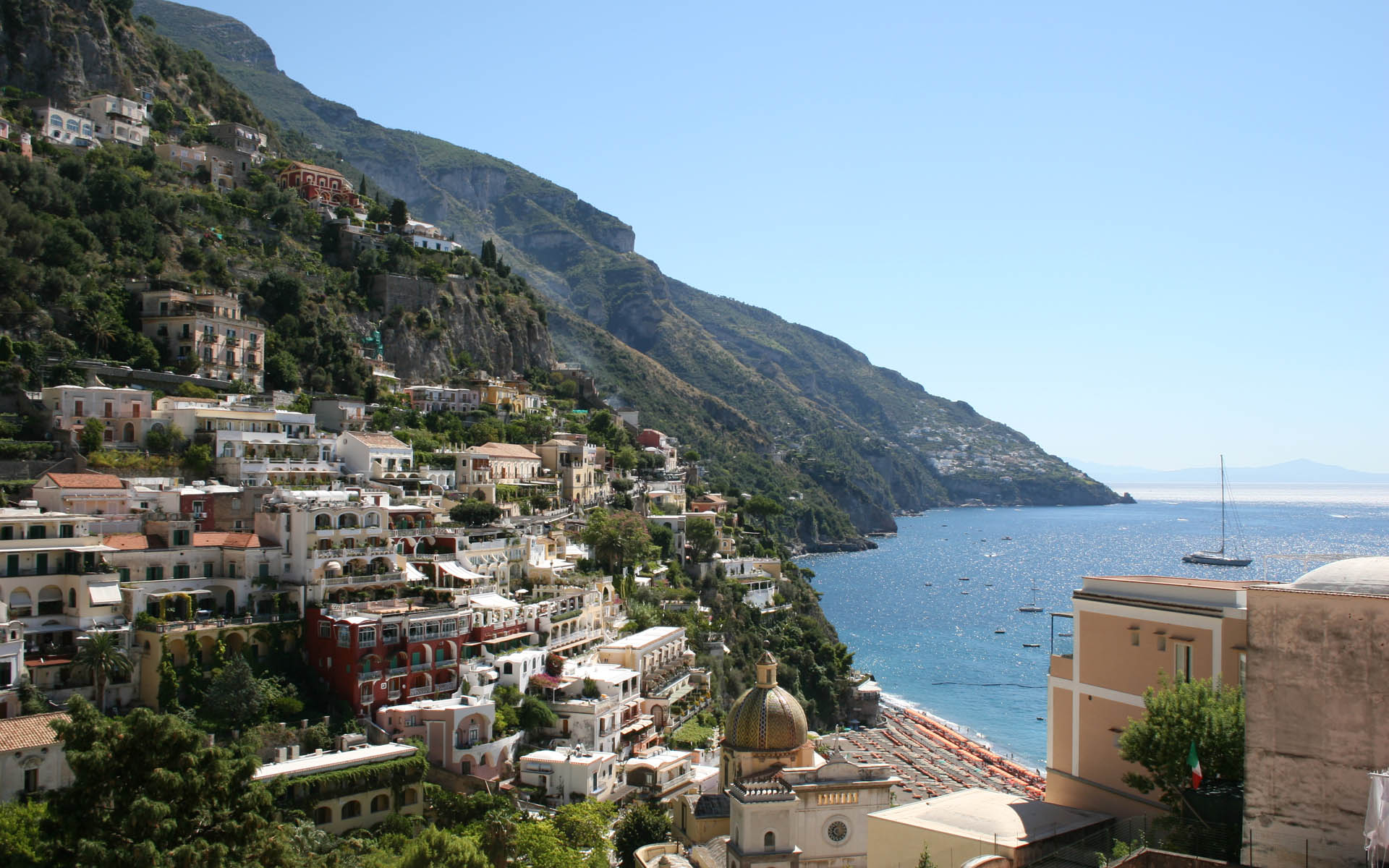 Where to Stay on the Amalfi Coast
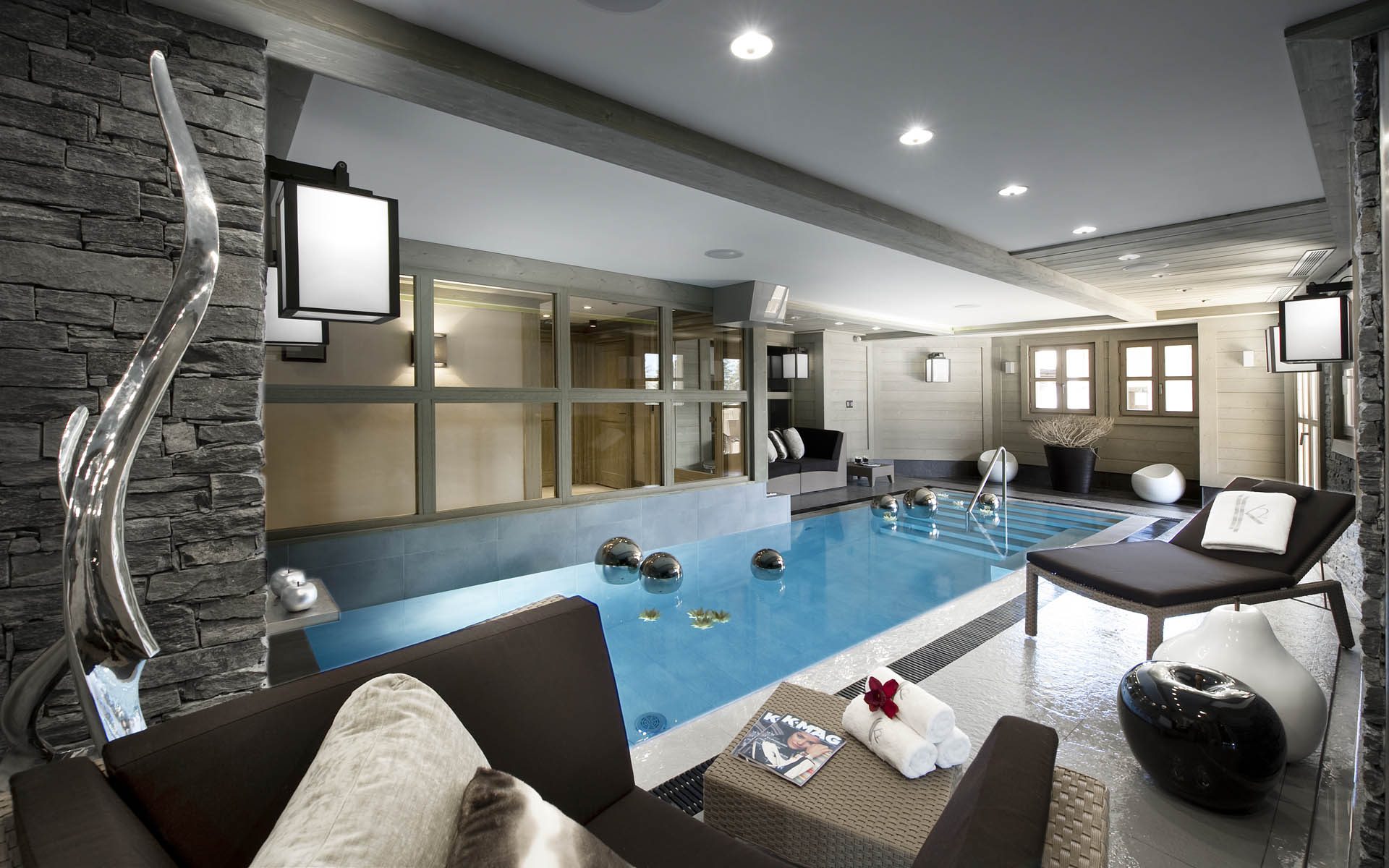 Guide: When’s best to book a luxury villa or ski chalet?
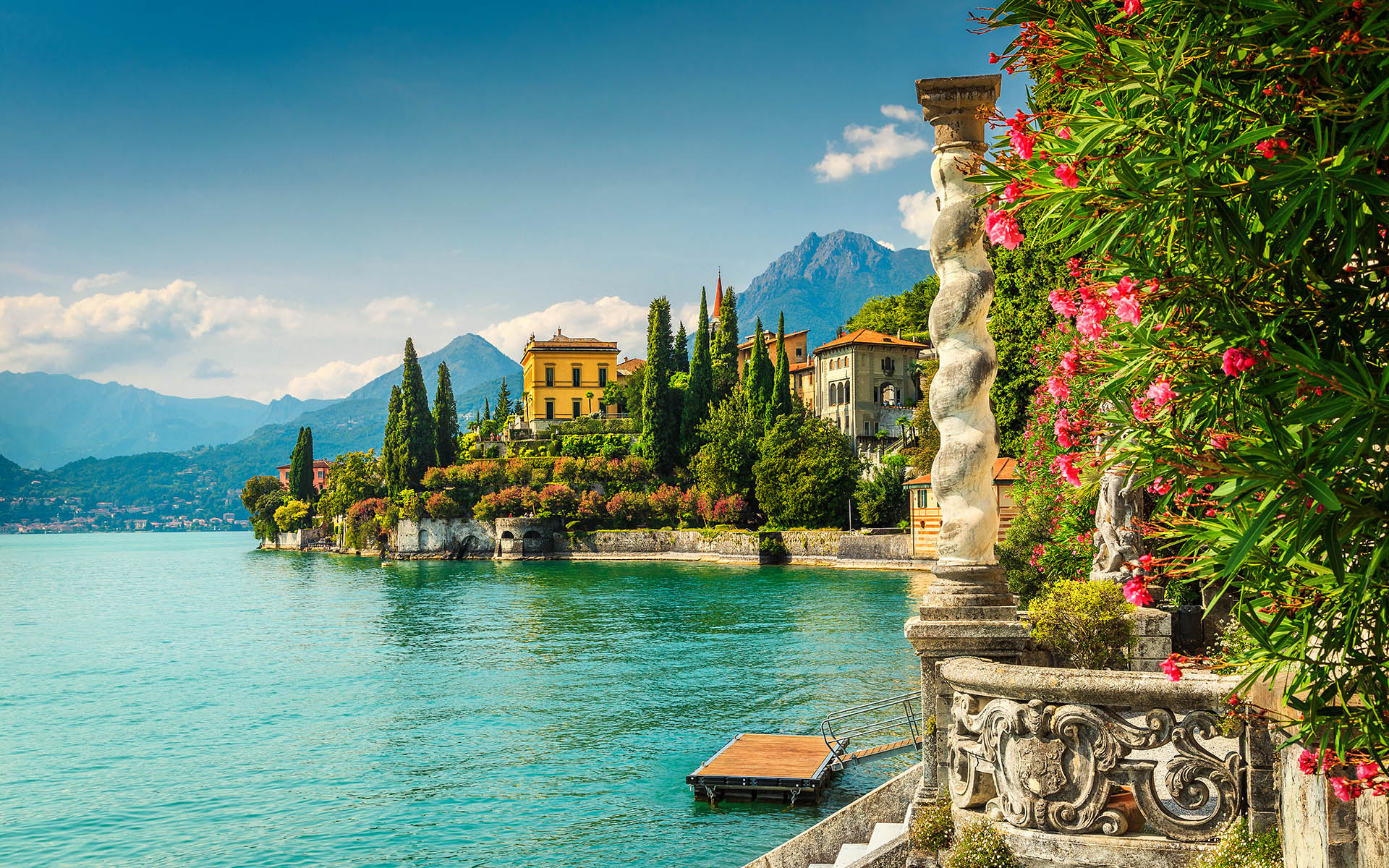 Spotlight on: Lake Como
 The Best Beach Villas in the World
 Why Visit Sardinia?
 Guide: What makes a luxury ski chalet “family-friendly”?
 Why Visit Majorca?
 Why Visit Mykonos?
 Best of: Ski resorts for spring skiing
 Top 7 Apres-Ski Drinks & Recipes for Your Alpine Escape
 The Top 5 Closest Ski Resorts to Geneva Airport
 Geneva Luxury Holiday Guide
 Switzerland Luxury Summer Holidays Guide
 Marbella Luxury Holiday Guide
 Majorca Luxury Holiday Guide
 Ibiza Holiday Guide
 Spain Luxury Holiday Guide
 Algarve Luxury Holiday Guide
 Portugal Luxury Holiday Guide
 Search